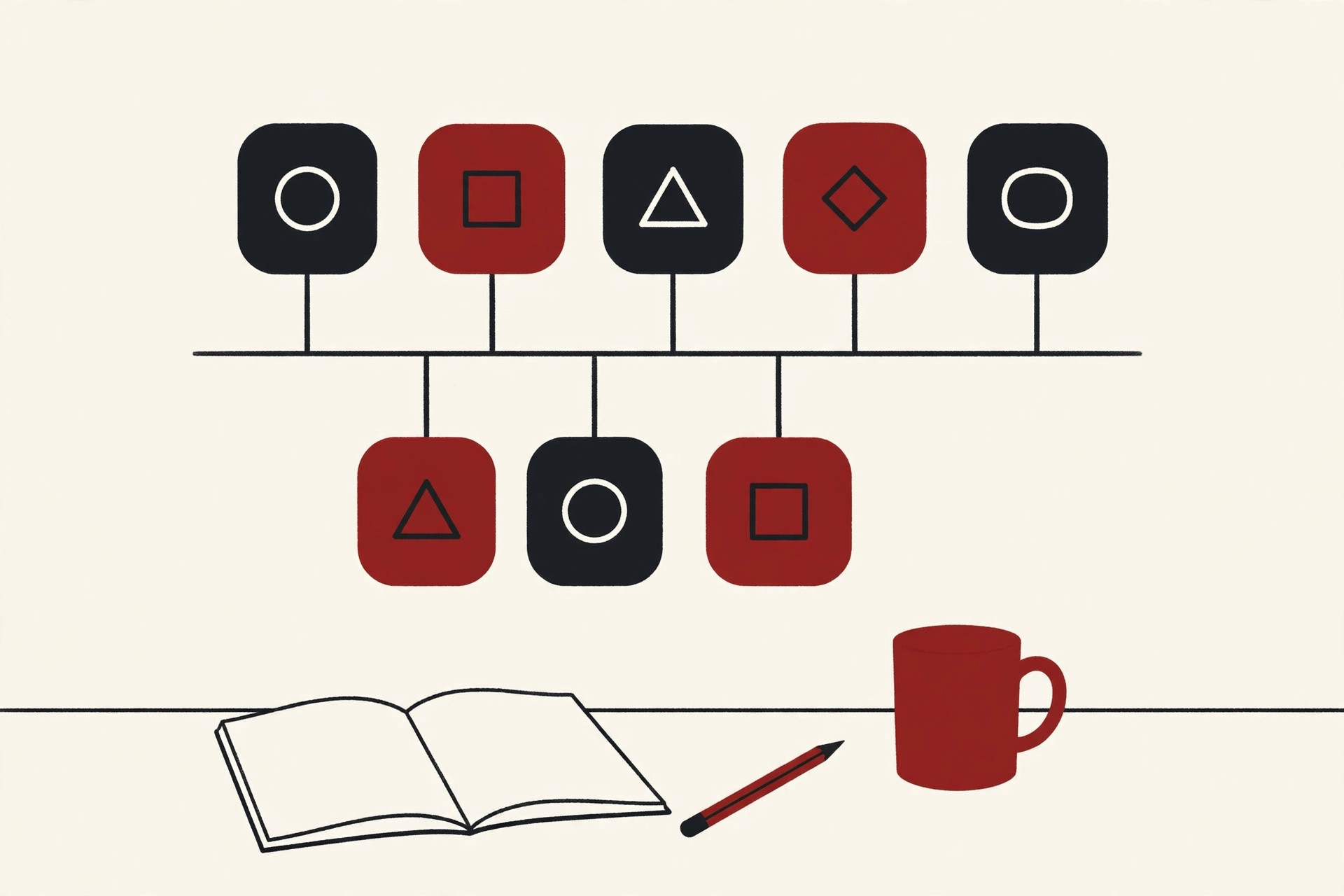
SOA (Service-Oriented Architecture) Explained: OS23 Guide
SOA OS23 explained in plain words: what service-oriented architecture is, its layers, SOAP, WSDL, UDDI and ESB, plus key exam points to remember.
Guides for people who build software — and people who want to. From software architecture and API design to Docker, Git and Python, every tutorial is written to be followed step by step, not just read.
SOA OS23 explained in plain words: what service-oriented architecture is, its layers, SOAP, WSDL, UDDI and ESB, plus key exam points to remember.
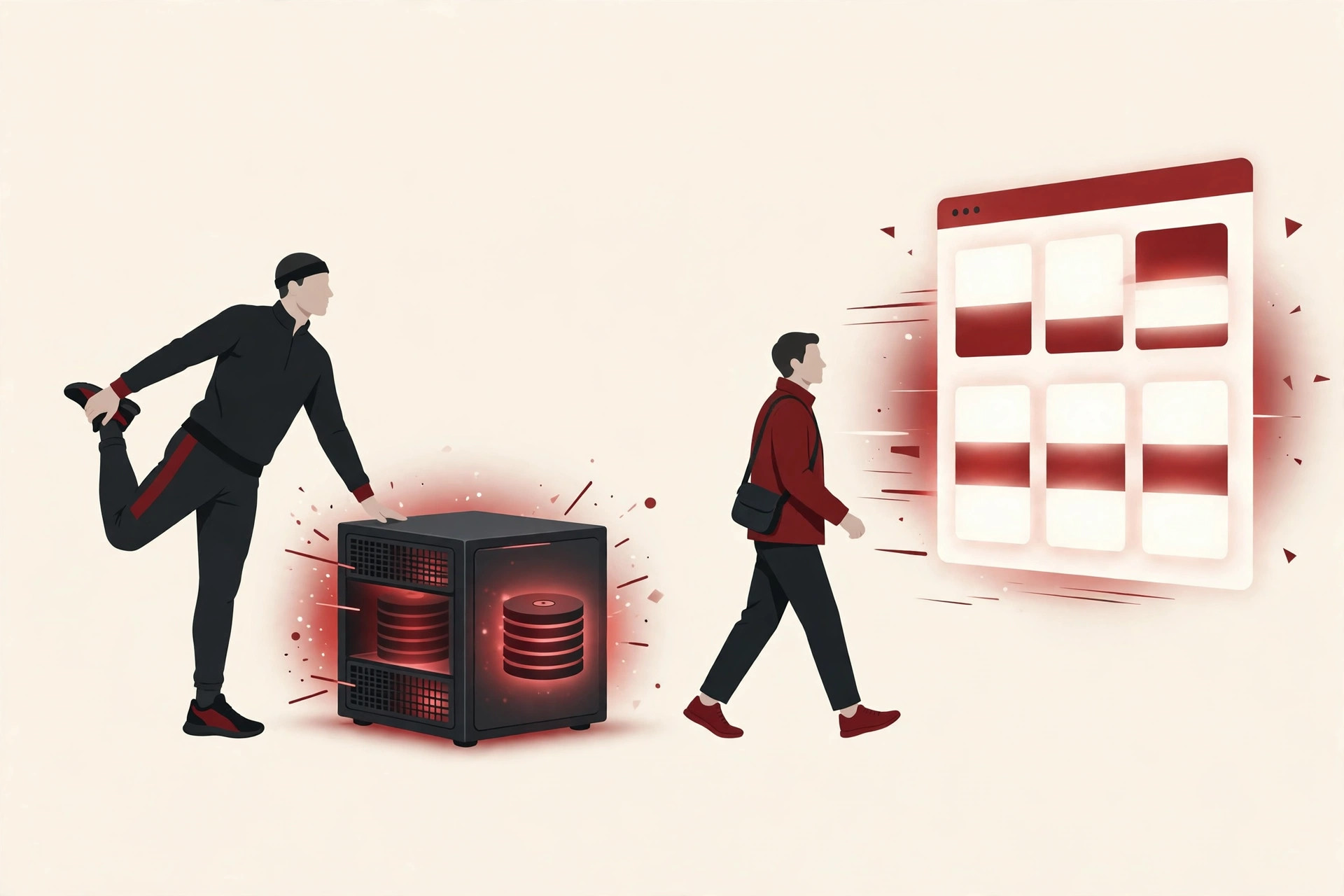
A warmup cache request fills your cache before real visitors arrive. Learn how cache warming works, when to run it and the mistakes to avoid.
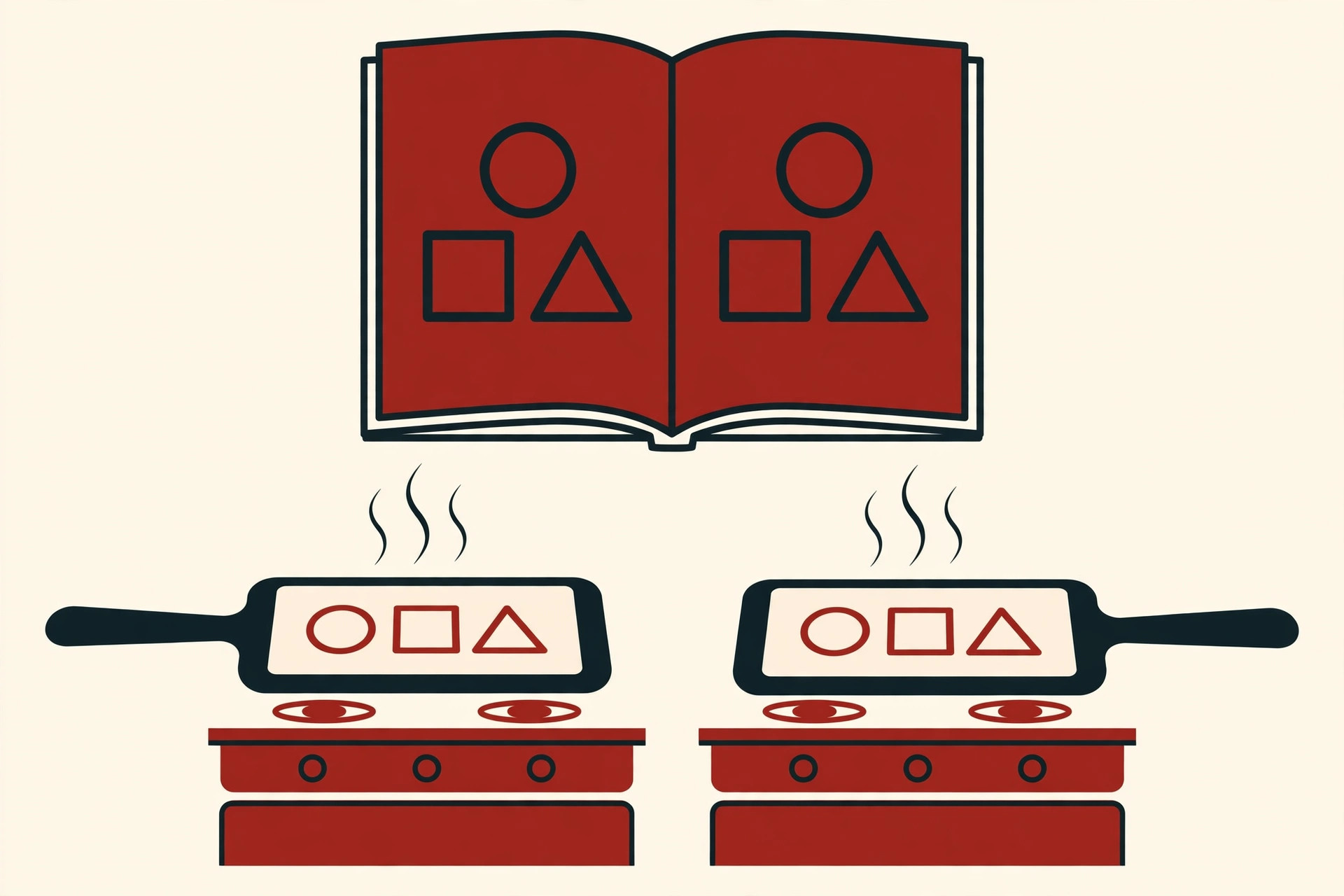
Cross platform mobile programming runs one codebase on iOS and Android. Compare Flutter, React Native, MAUI and Kotlin Multiplatform in plain English.
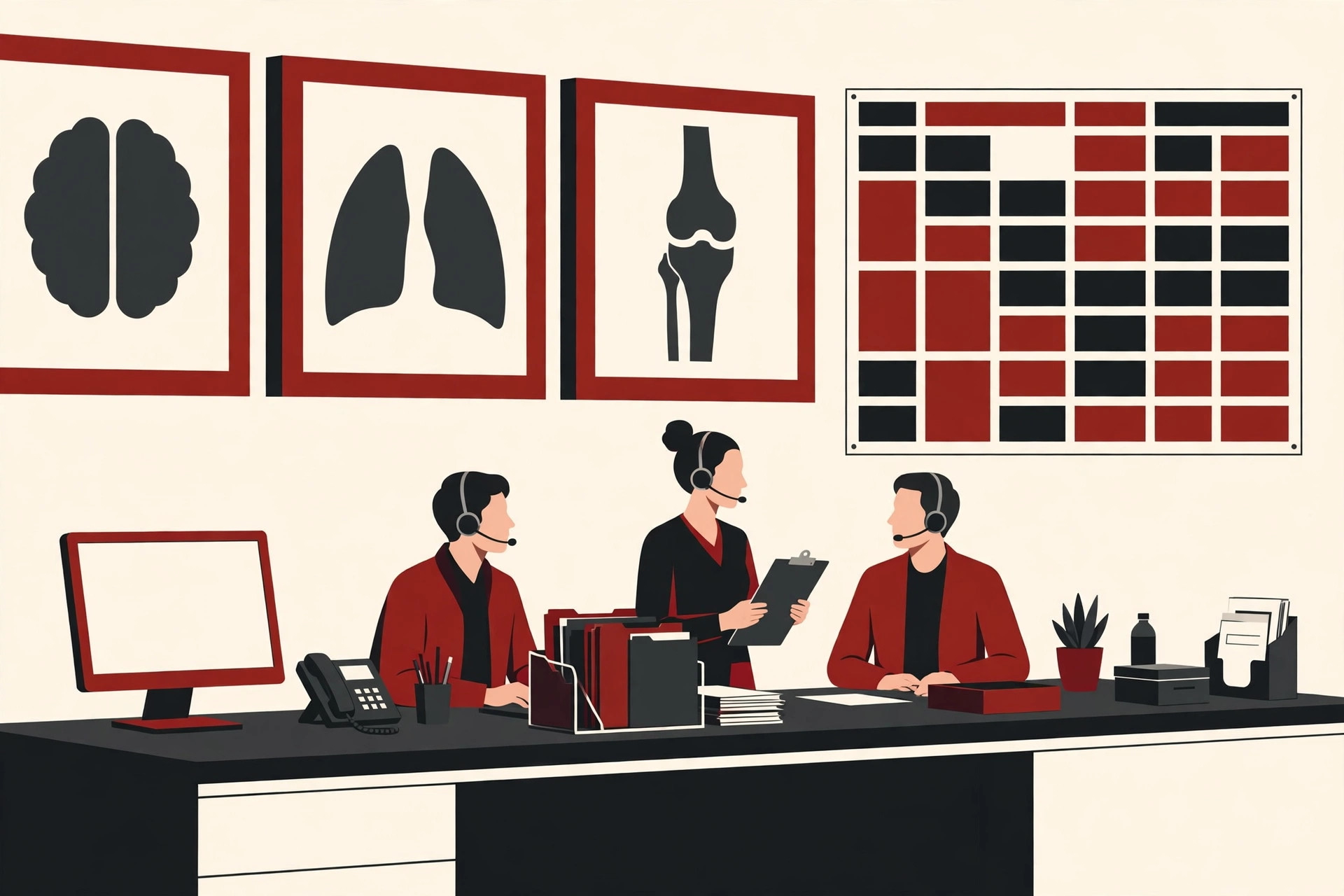
A radiology information system runs the daily work of a hospital imaging department, from scheduling scans to sending reports. Here is how an RIS works.

Parallel and concurrent processing are not the same thing. Learn the simple difference, the classic problems, and how to choose, in plain English.
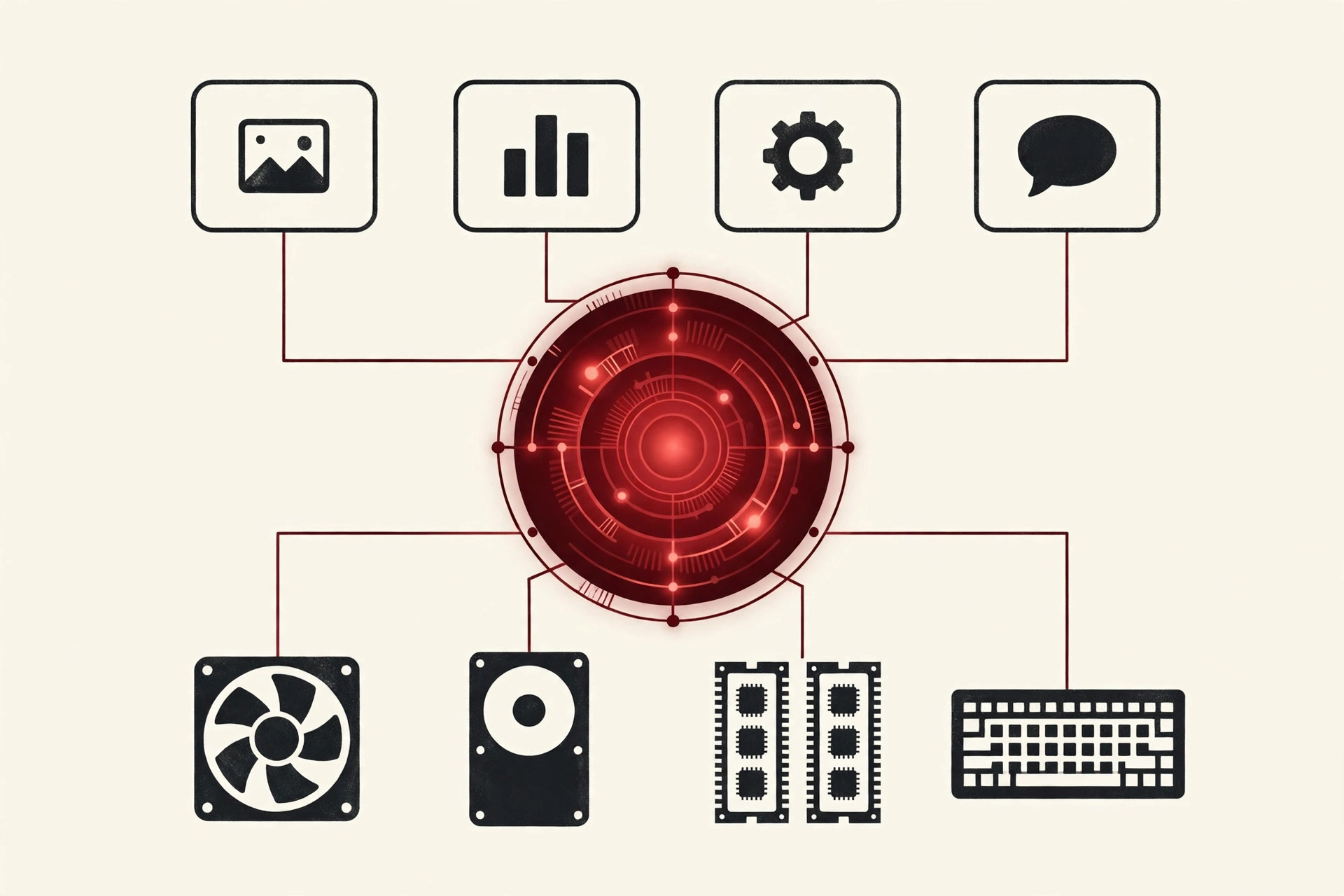
What is a kernel? The core of the operating system that links apps to hardware. Learn its jobs, its types, and kernel mode vs user mode in plain words.
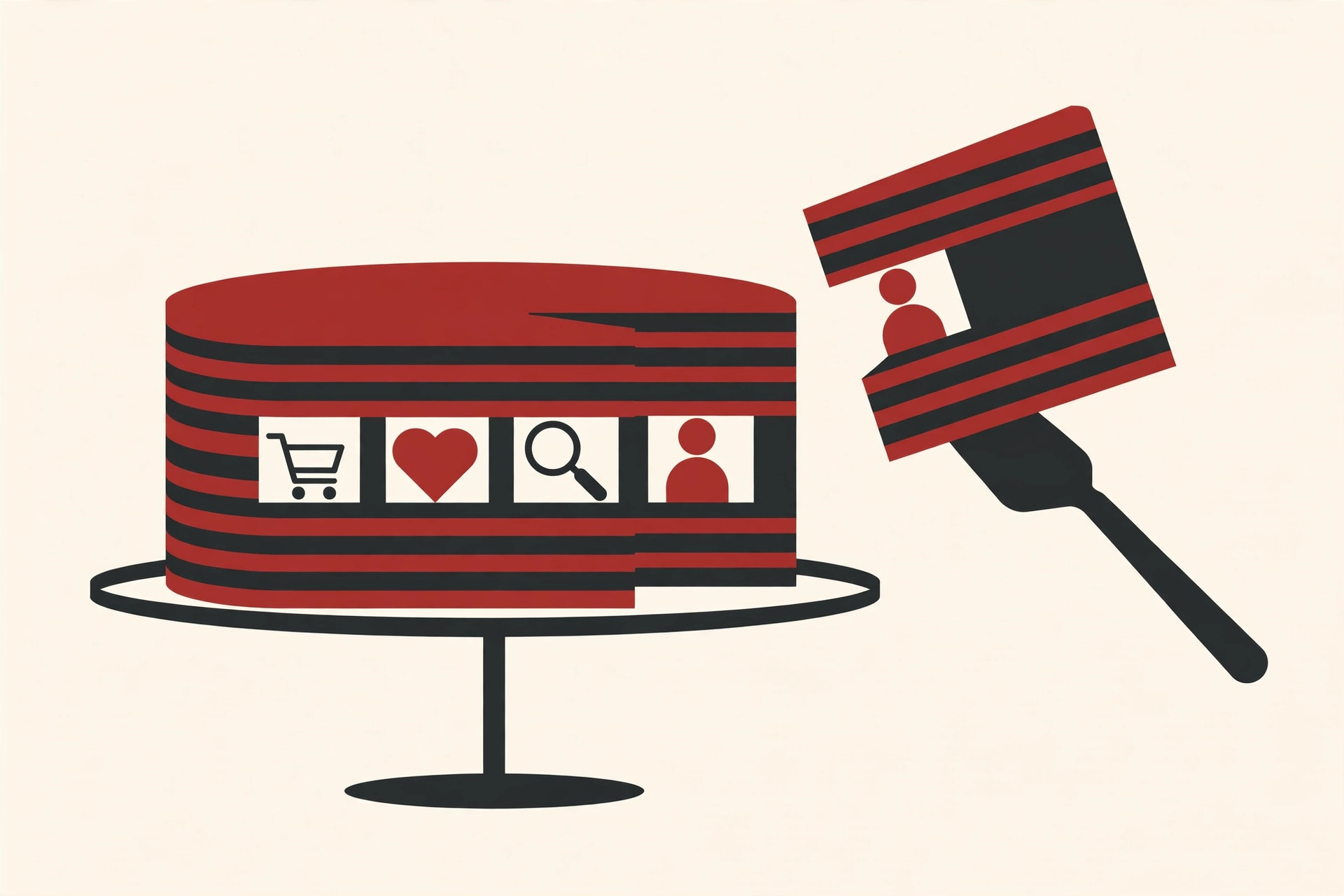
Feature Sliced Design (FSD) keeps growing frontends tidy with layers, slices and segments. Learn the layers, the import rules and how to adopt it step by step.

Compare the best coding interview books, from Cracking the Coding Interview to Grokking Algorithms, and pick the right one for your level and goal.
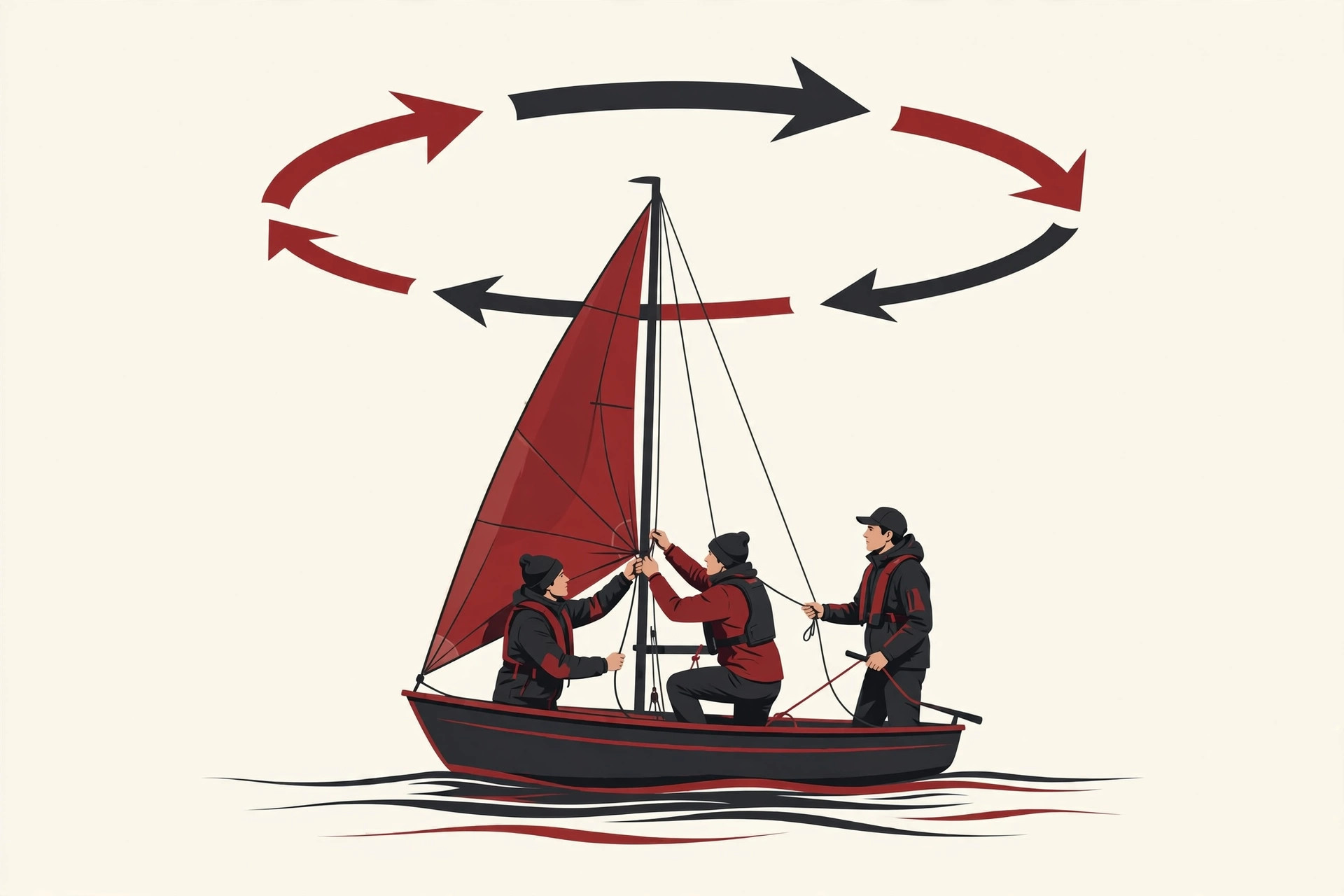
Adaptive software development explained in plain English: the Speculate, Collaborate, Learn cycle, six key traits, and how ASD compares with Scrum.
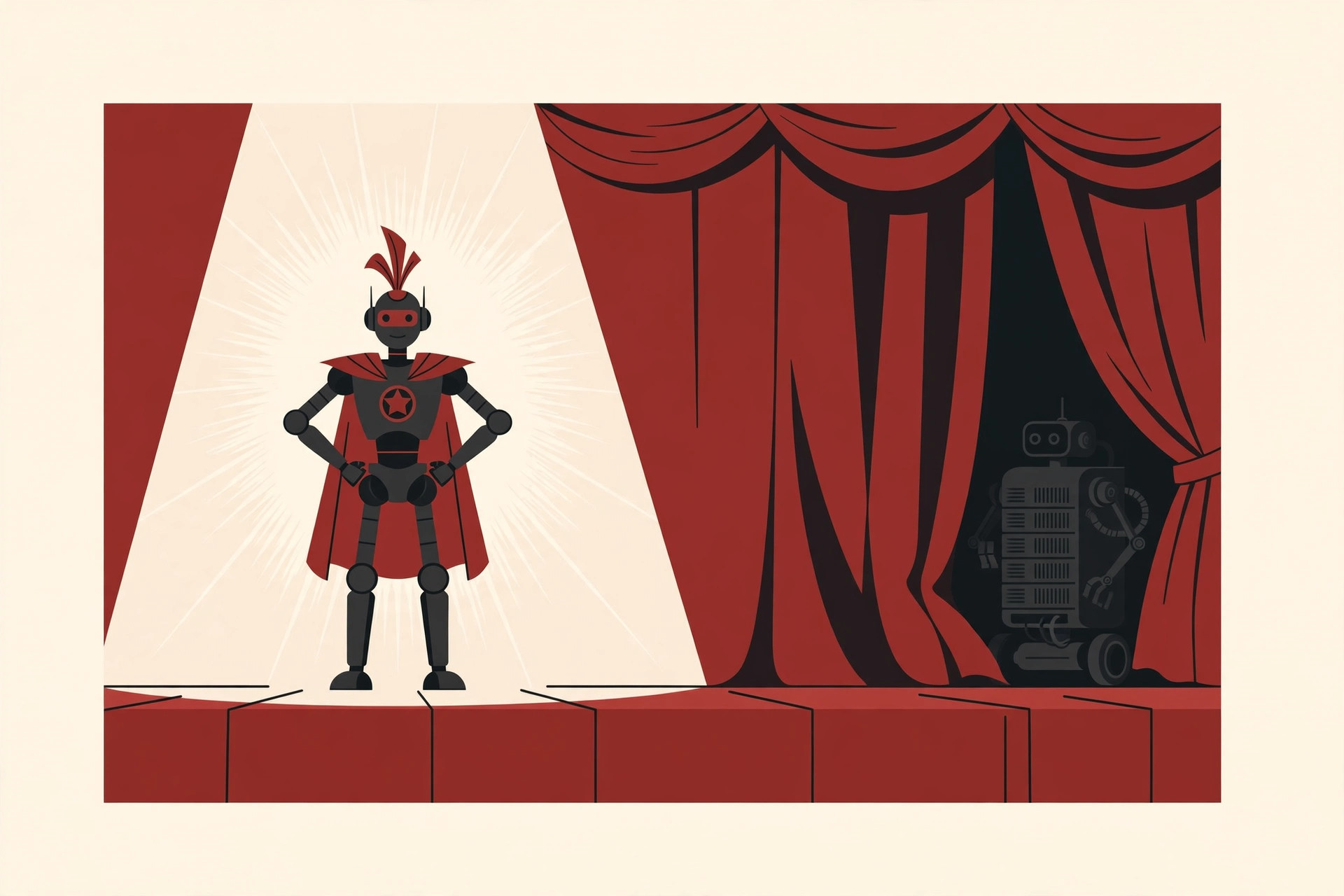
Rational Test Virtualization Server lets teams test against virtual copies of services that are missing or costly. It is now IBM DevOps Test Virtualization.
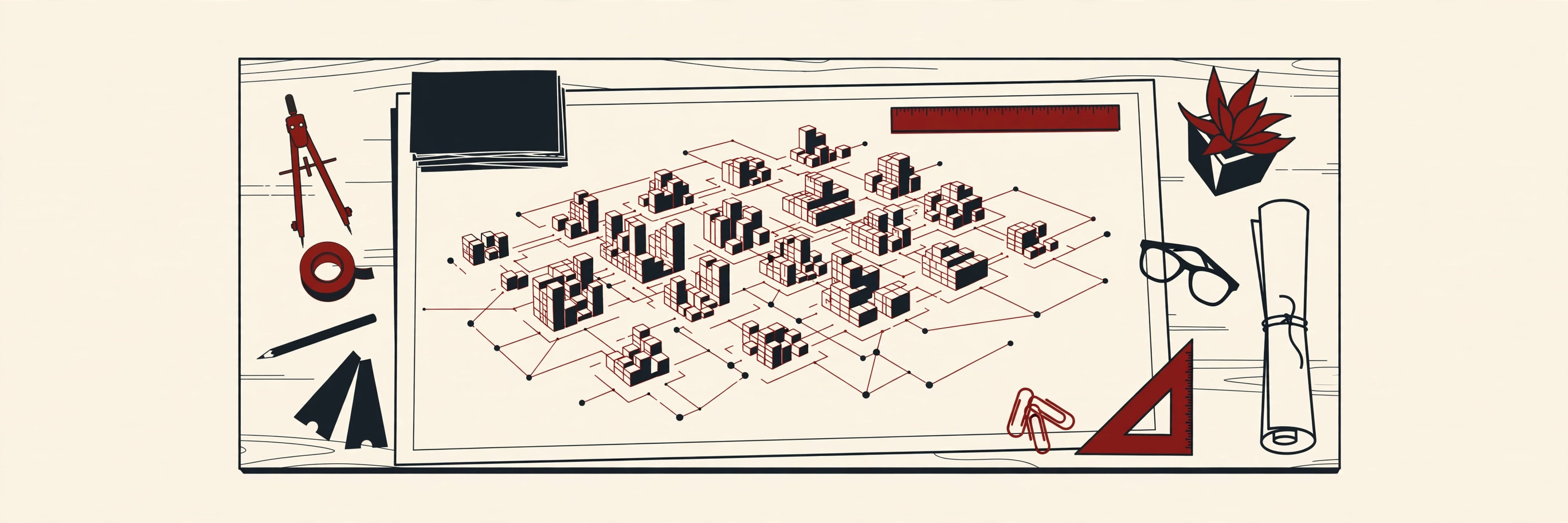
Software architecture is the blueprint of a system. Learn the main patterns, from monolith to microservices, and how to choose the right one.
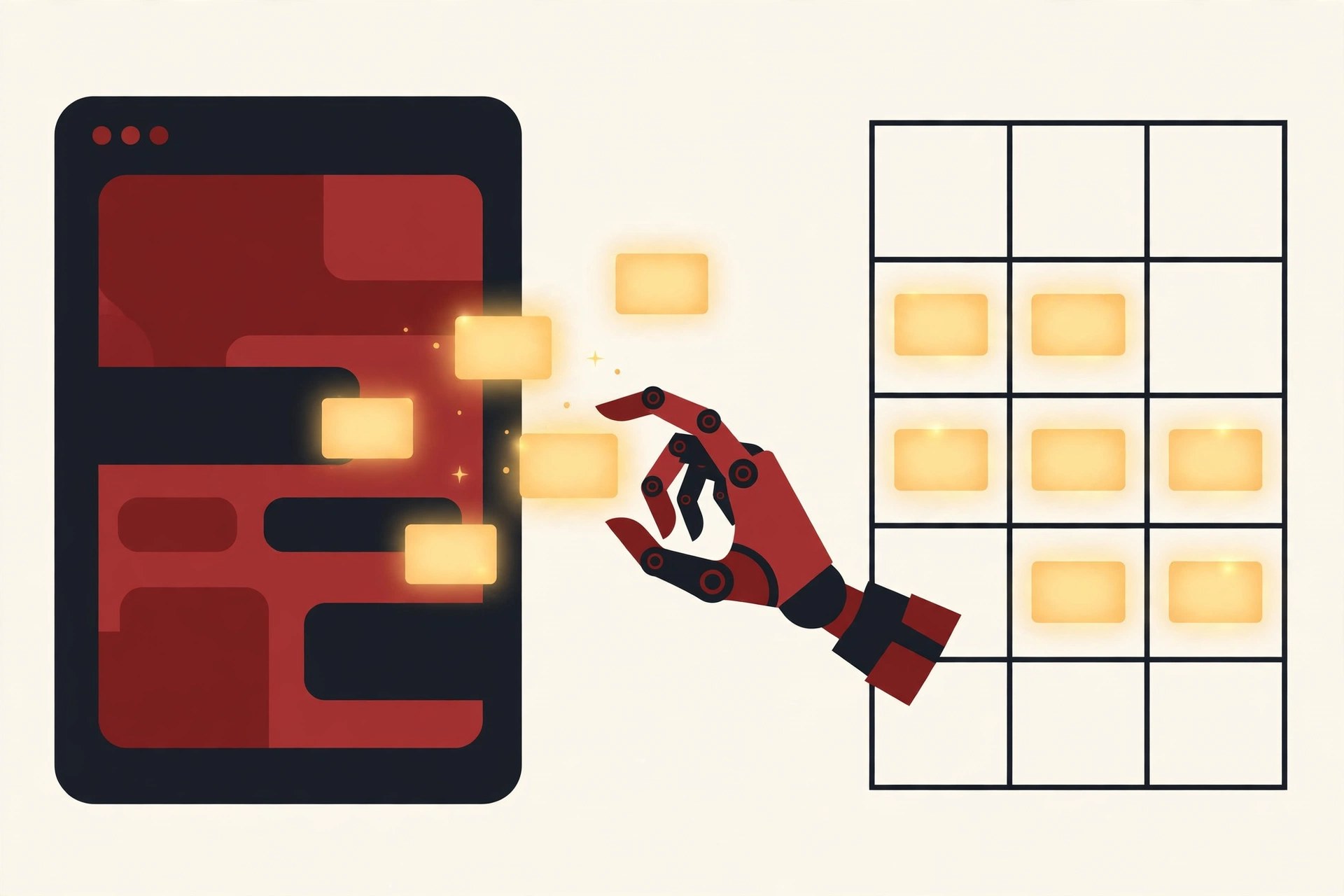
Web scraping explained in plain English: what it is, how it works step by step, the best tools, a first Python example, and the legal rules to know.
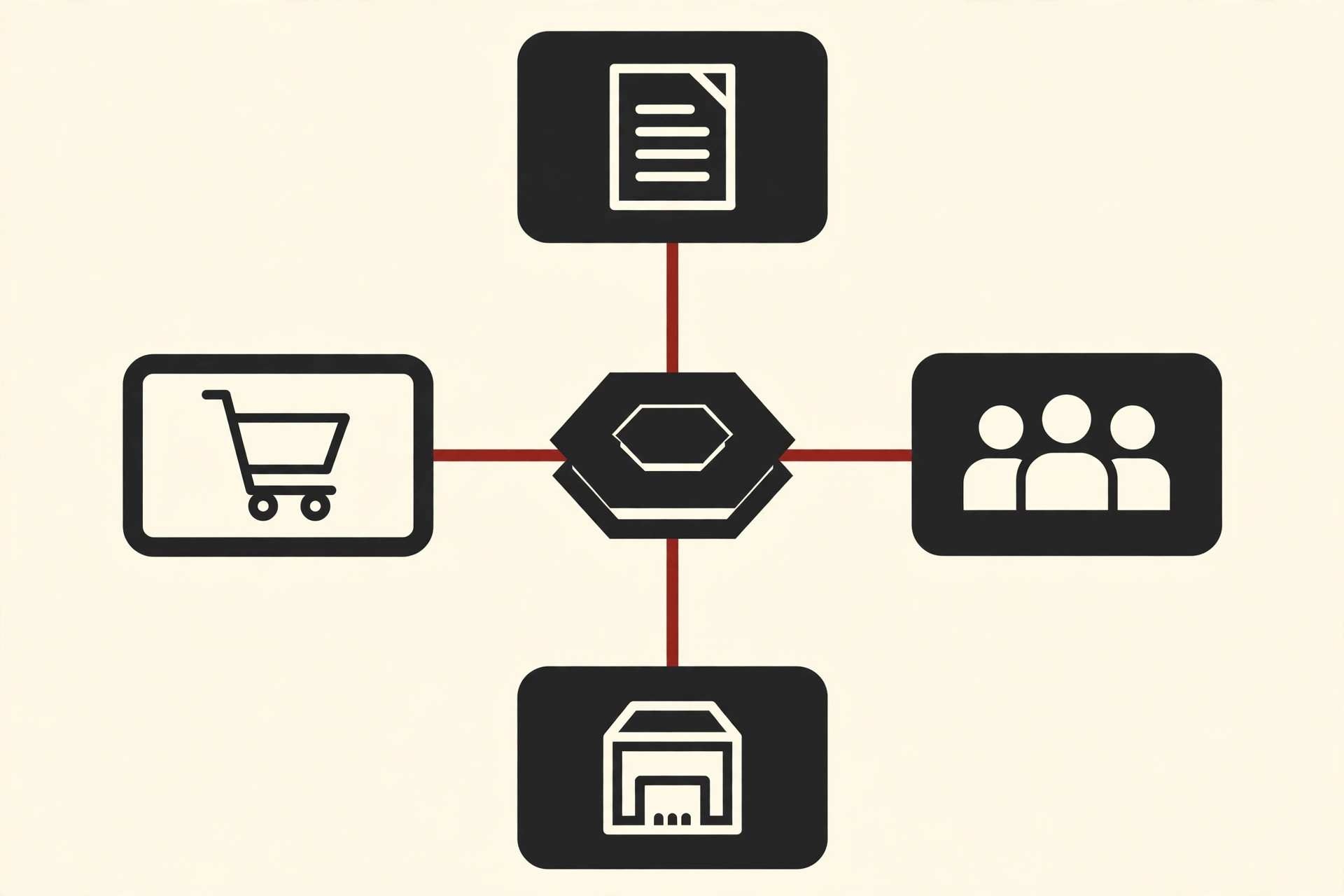
Enterprise application integration connects the CRM, ERP, billing and HR systems that cannot talk to each other. Patterns, tools and honest challenges.
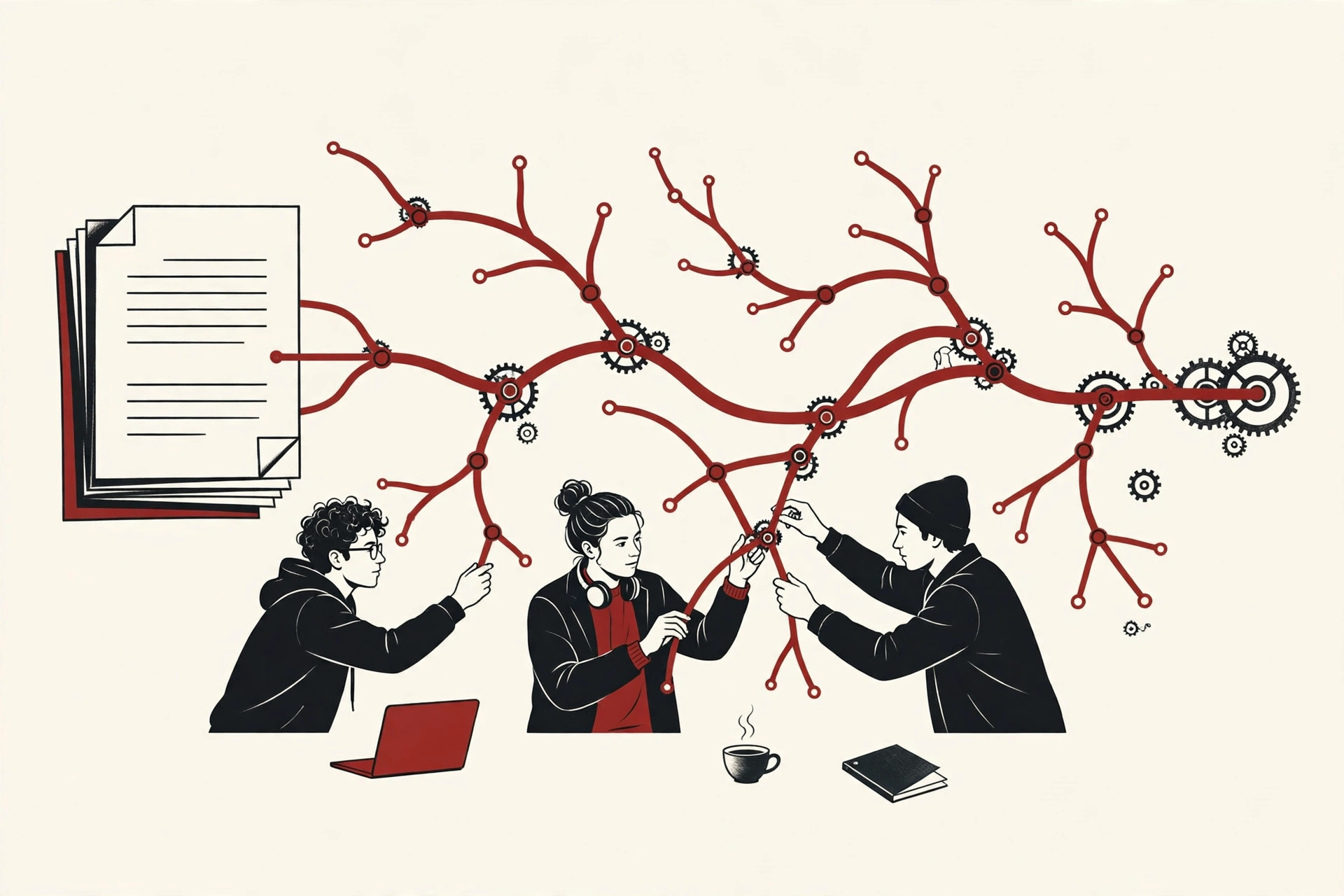
Version control systems explained in plain English: what they are, the three types, tools like Git and SVN, and the daily workflow every beginner needs.
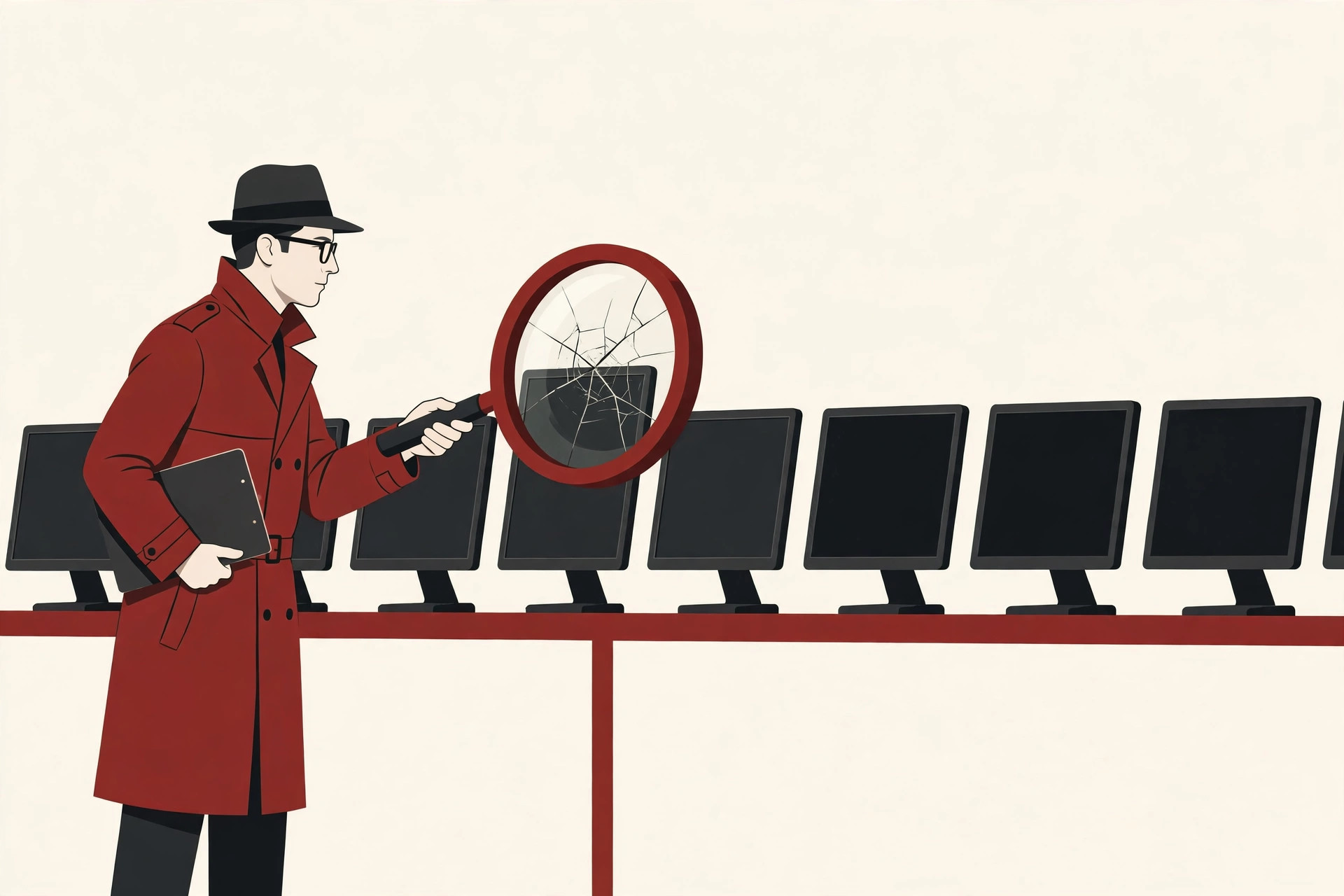
Corporate Software Inspector was Secunia's scanning tool for company PCs. Learn what CSI did, how it worked, and the Flexera product that replaced it.
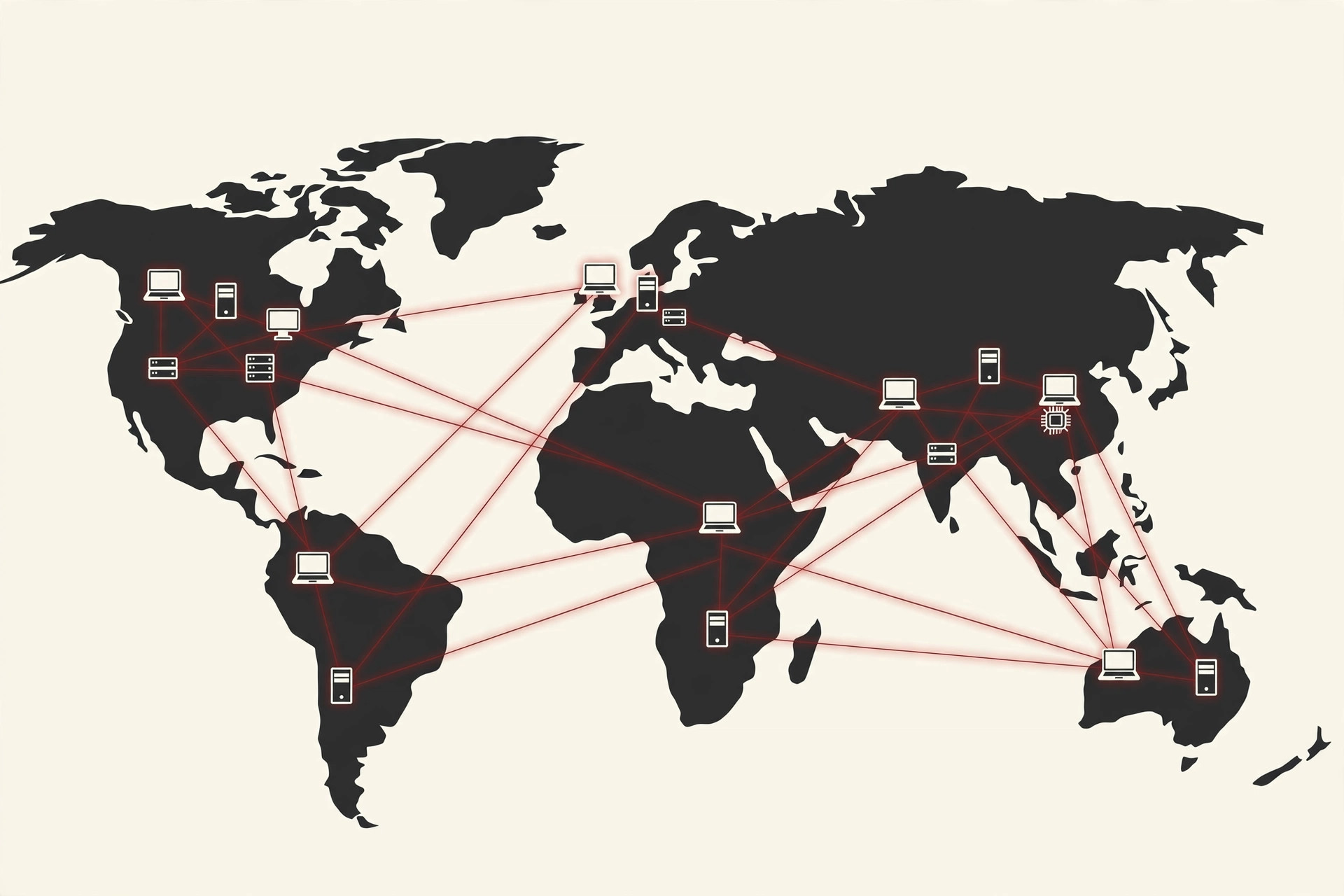
What is a distributed system? Many computers working as one, explained in plain words with everyday examples, main traits, types and the CAP theorem.
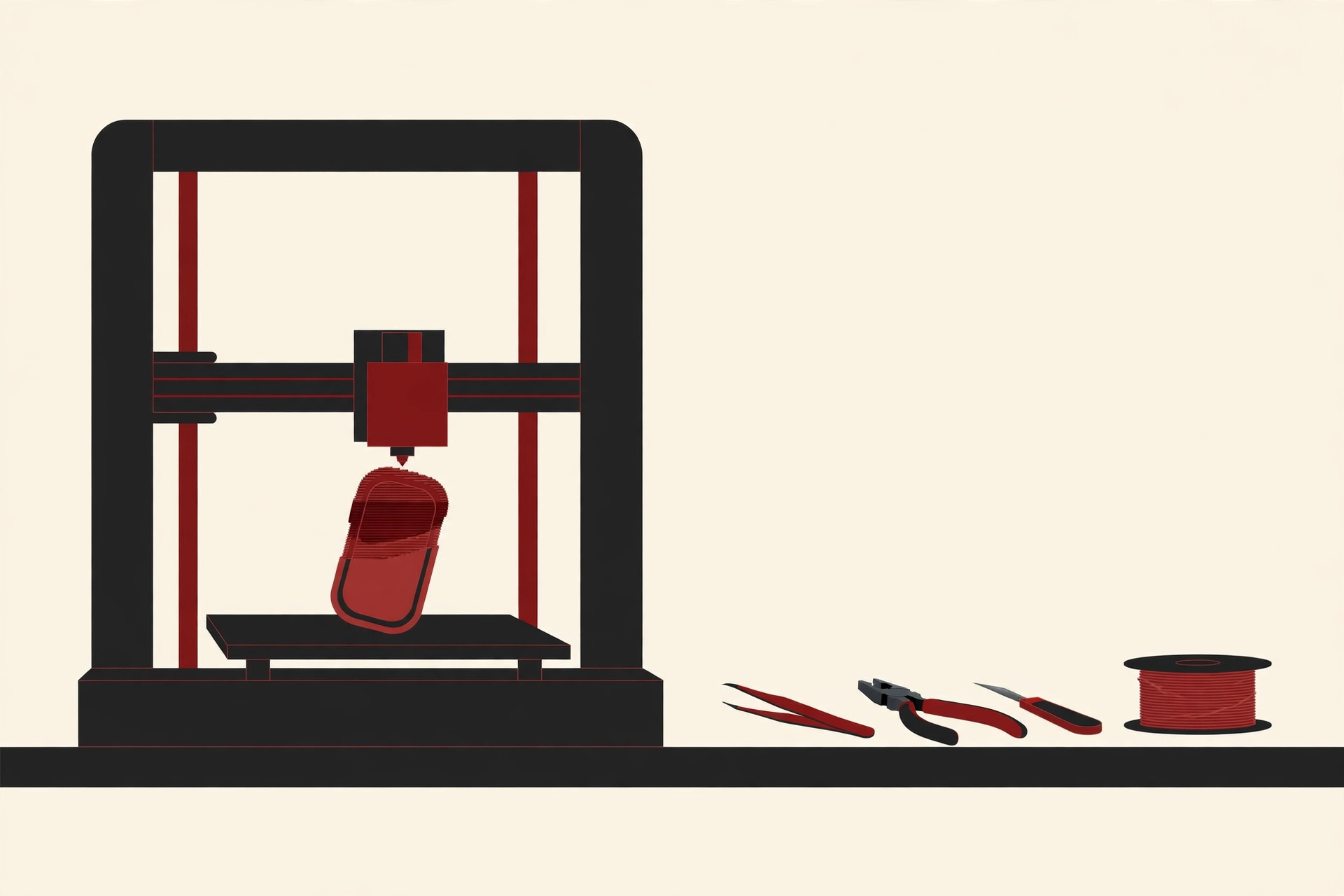
Rapid prototyping turns an idea into a testable model in hours or days. Learn the process, techniques, fidelity levels, costs and how to get one made.
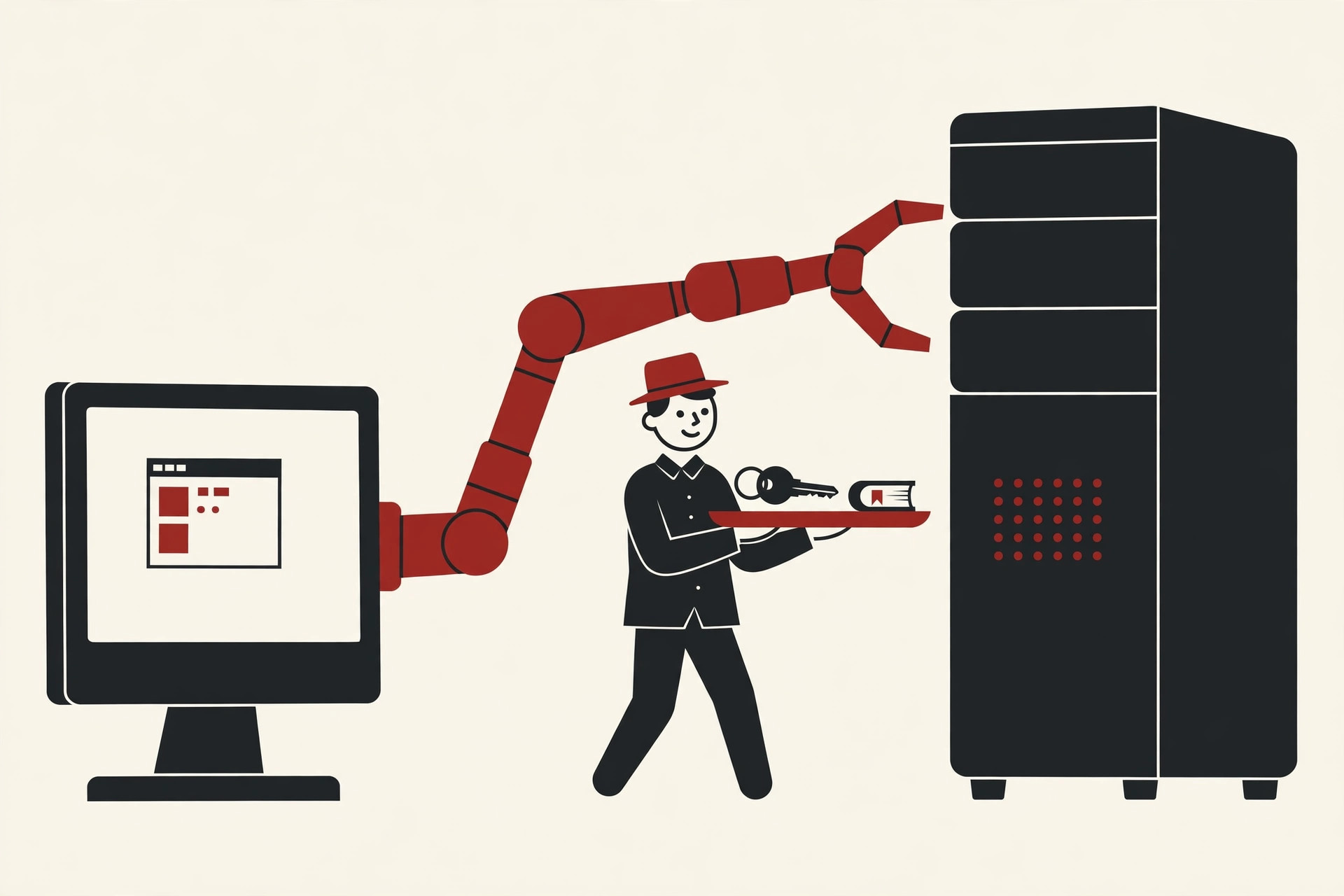
The application client container is the forgotten fourth Java EE container. See what it does, how deployment works, and why modern apps moved on.
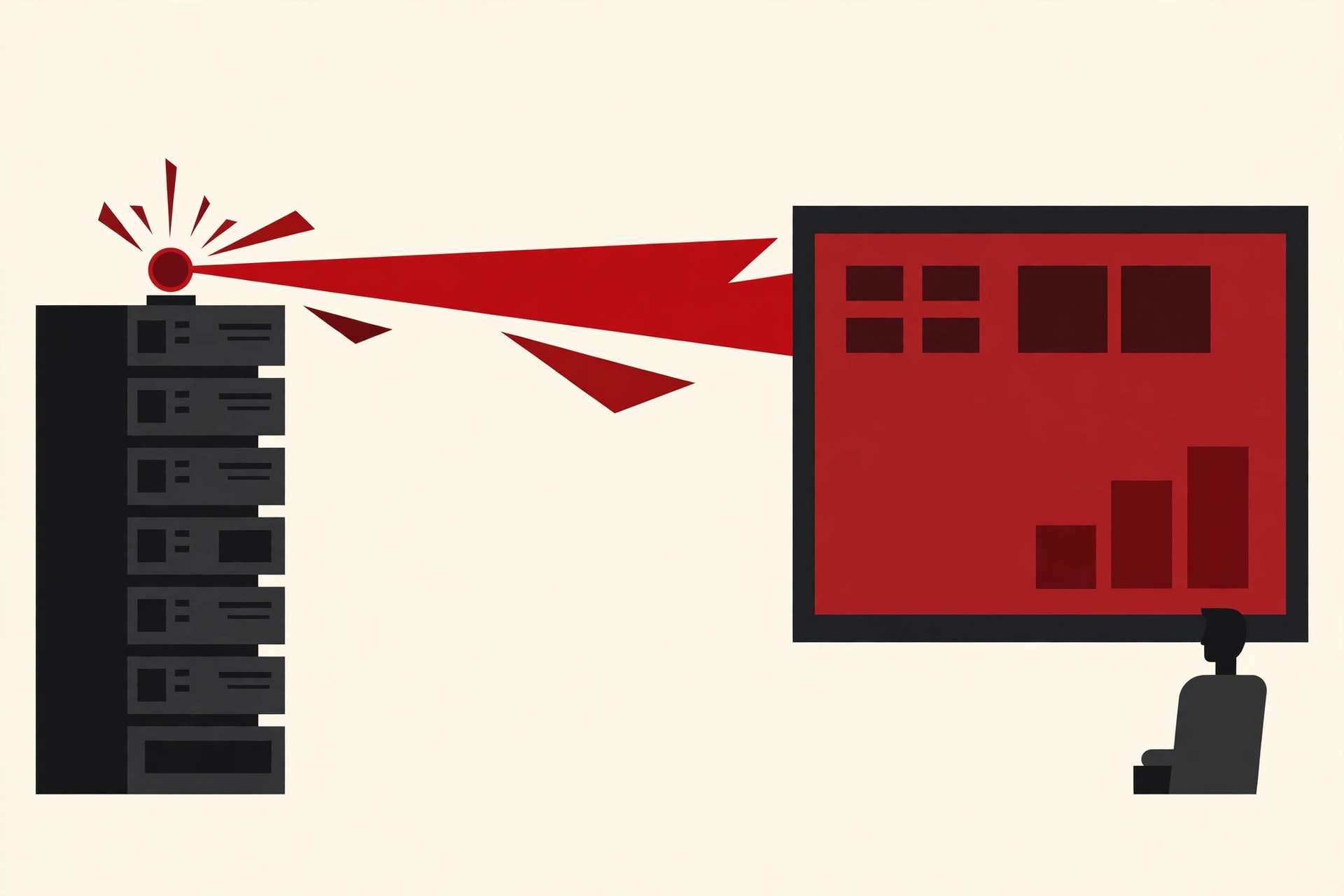
A platform event trap warns you when a server's fans, heat or power start to fail. Learn how PET works and what monitors platform event traps best.

Learn user experience basics in plain words: what UX means, how it differs from UI, the design process, simple usability testing and how to start.
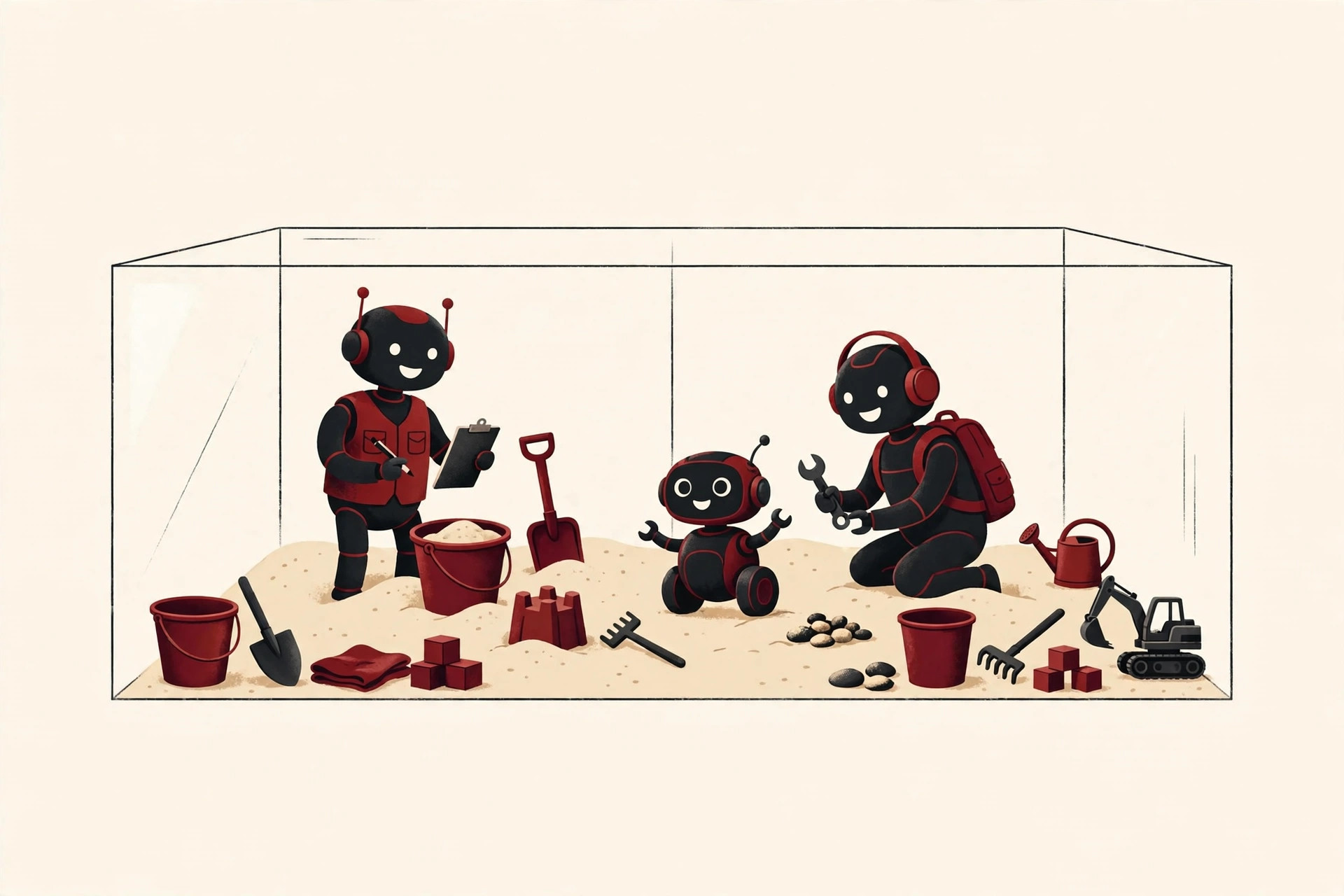
A sandbox environment is a safe, isolated space where software can run and be tested without touching real systems or data. Types, examples and tips.

Learn the API design principles that make APIs easy to use: clear naming, honest status codes, versioning, pagination, helpful errors and real docs.
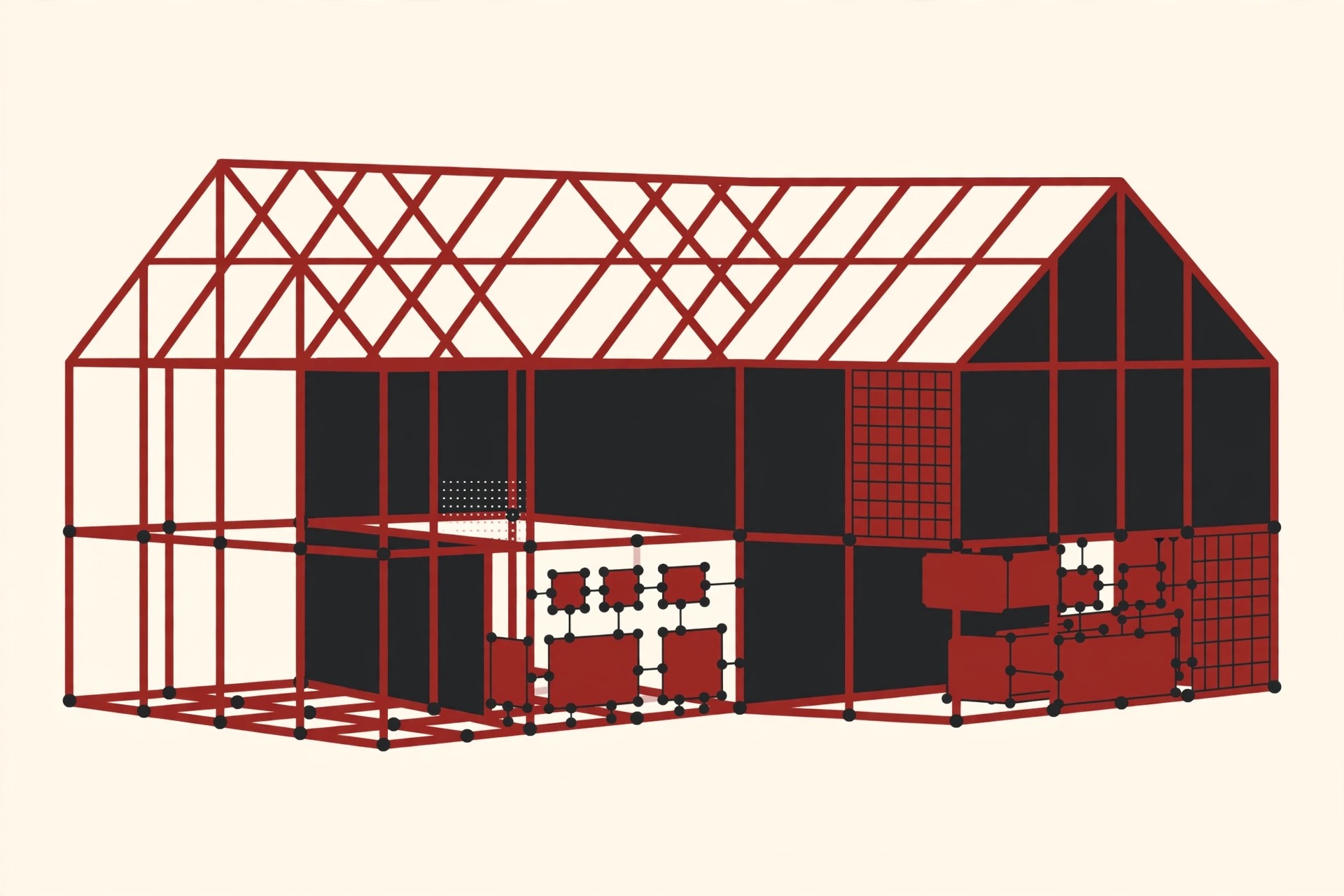
Typed framevuerk? It is a common misspelling of framework. Learn what a software framework is, framework vs library, famous examples and how to choose one.
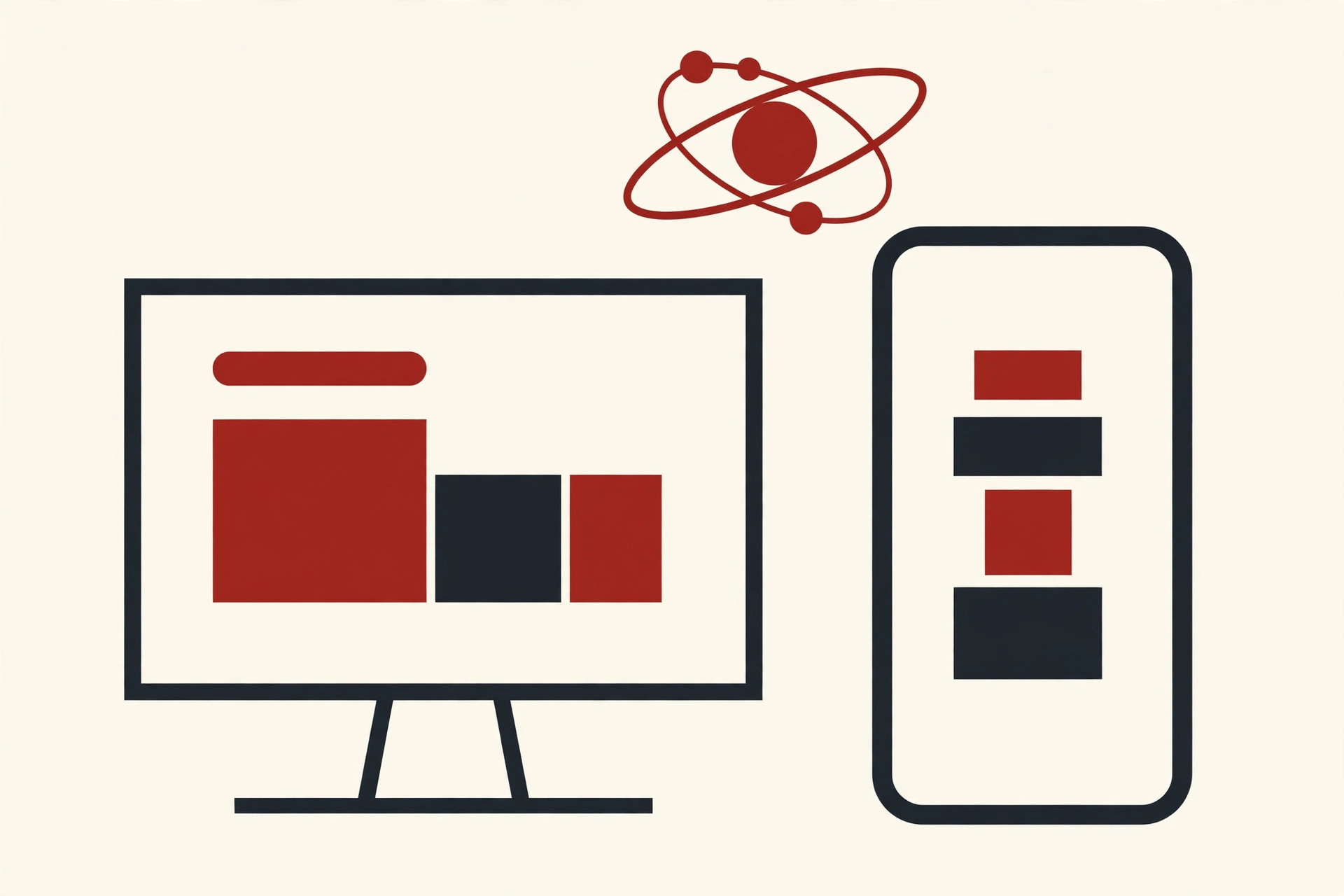
React vs React Native confuses many beginners. Compare what each tool builds, how rendering and styling differ, and which one to choose, in plain English.
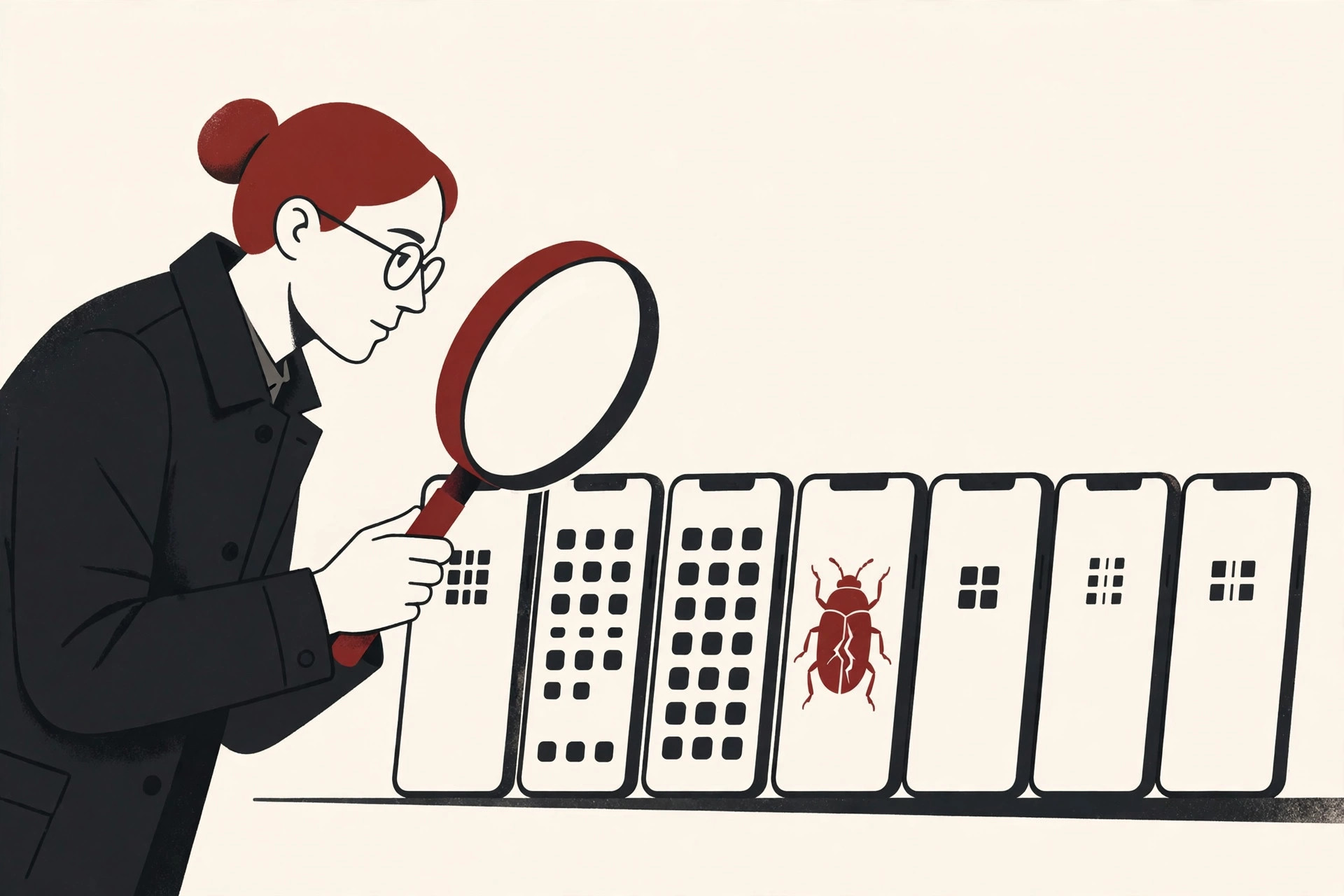
Learn software testing basics in plain English: the 4 levels, main types, manual vs automated testing, the testing pyramid, and how to start.
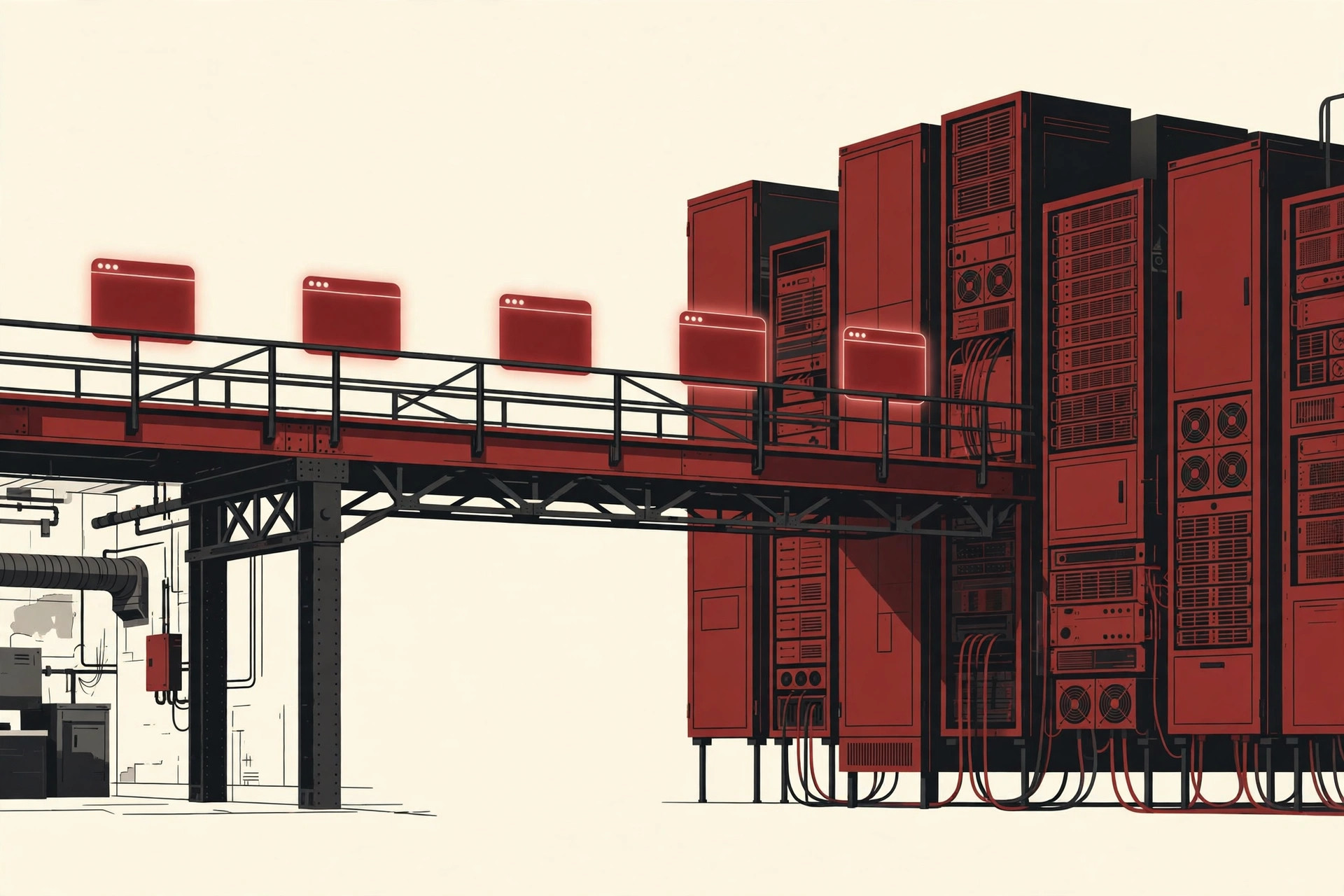
The Internet Transaction Server put SAP in a web browser long before apps existed. How ITS worked, WGate and AGate, ITSmobile, and what replaced it.
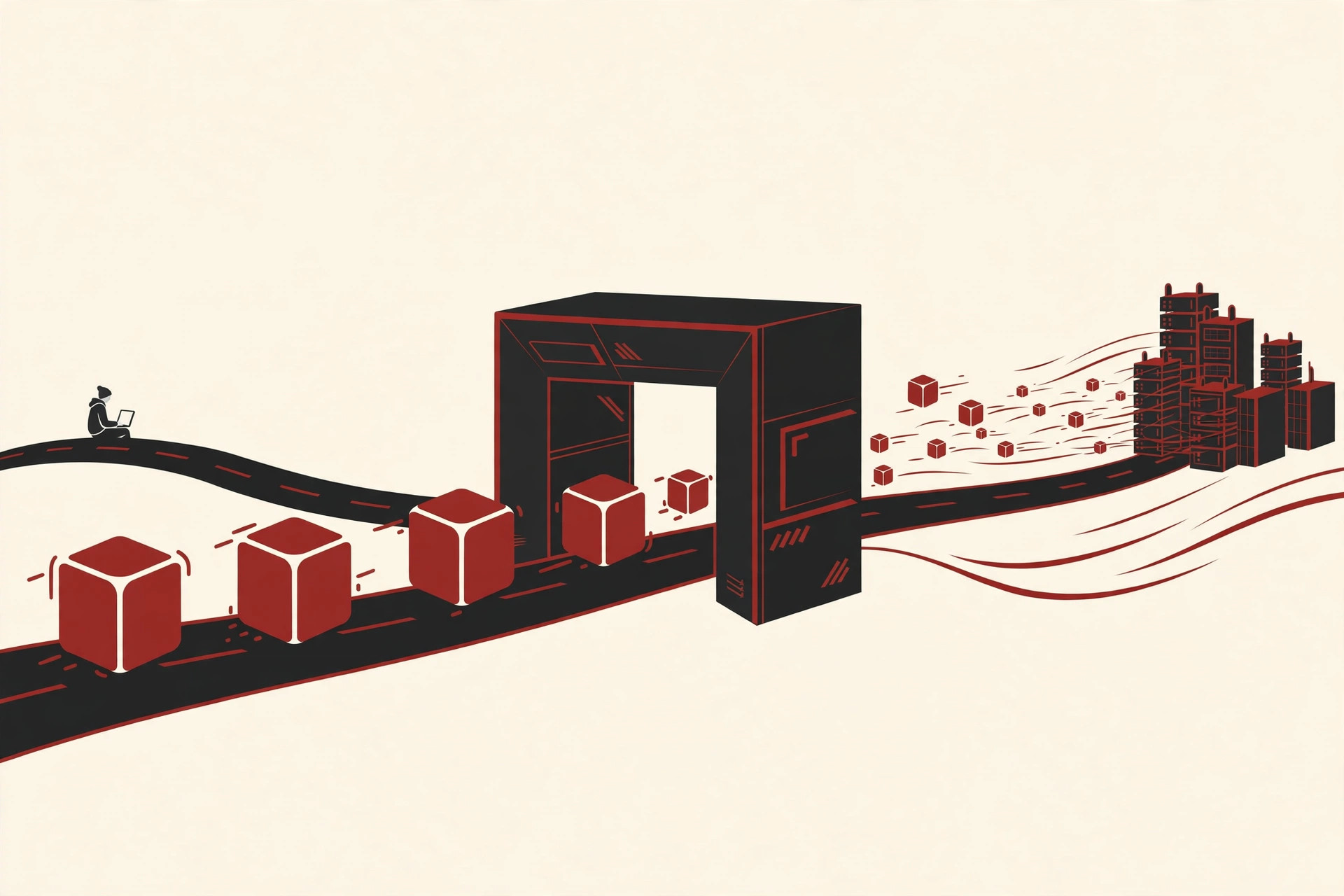
F5's Application Acceleration Manager (AAM) made slow global web apps feel fast. What it did, its key features, and why BIG-IP 16 retired it.

A tab is not a fixed number of spaces. Learn what a tab stop is, why terminals used 8 columns, why editors show 2 or 4, and what PEP 8 and Google say.