Before breakfast today, you probably used a distributed system several times without knowing it. You checked messages on your phone, maybe searched for something, and perhaps glanced at the weather or the news.
None of that work was done by one single computer. Behind every tap, dozens or even thousands of computers in different buildings, cities, and countries quietly worked together to answer you.
So what is a distributed system, really? This guide explains the idea in plain words, with everyday examples, the main traits, the hard problems, and the types you are most likely to meet.
What Is a Distributed System?
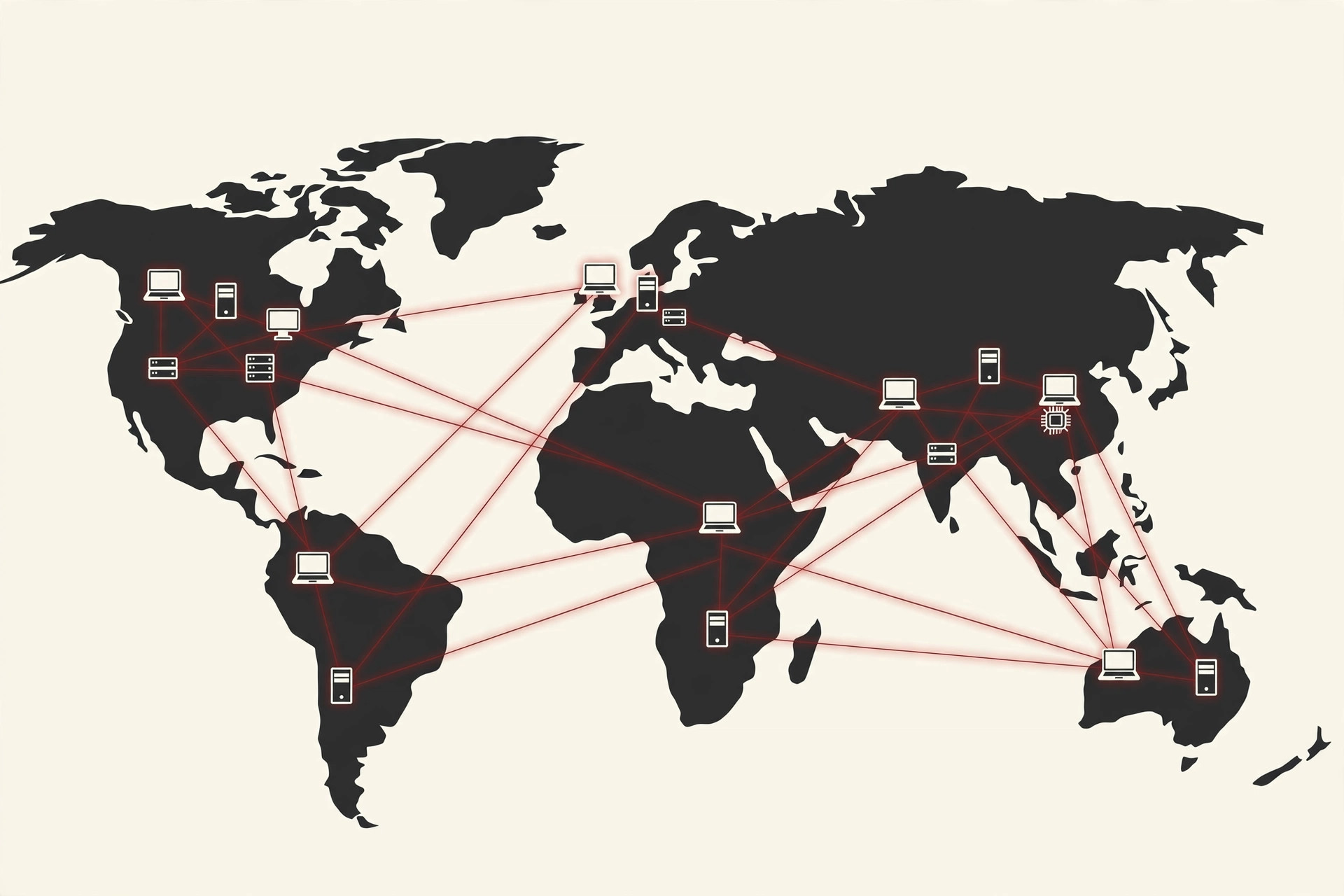
A distributed system is a group of separate computers that are connected by a network and work together so closely that, to the people using them, they look and feel like one single computer.
Textbook author Andrew Tanenbaum, whose books taught generations of students this subject, describes it in almost the same words: a collection of independent computers that appears to its users as one coherent system. That word “appears” matters. The teamwork is real, but it is hidden from you.
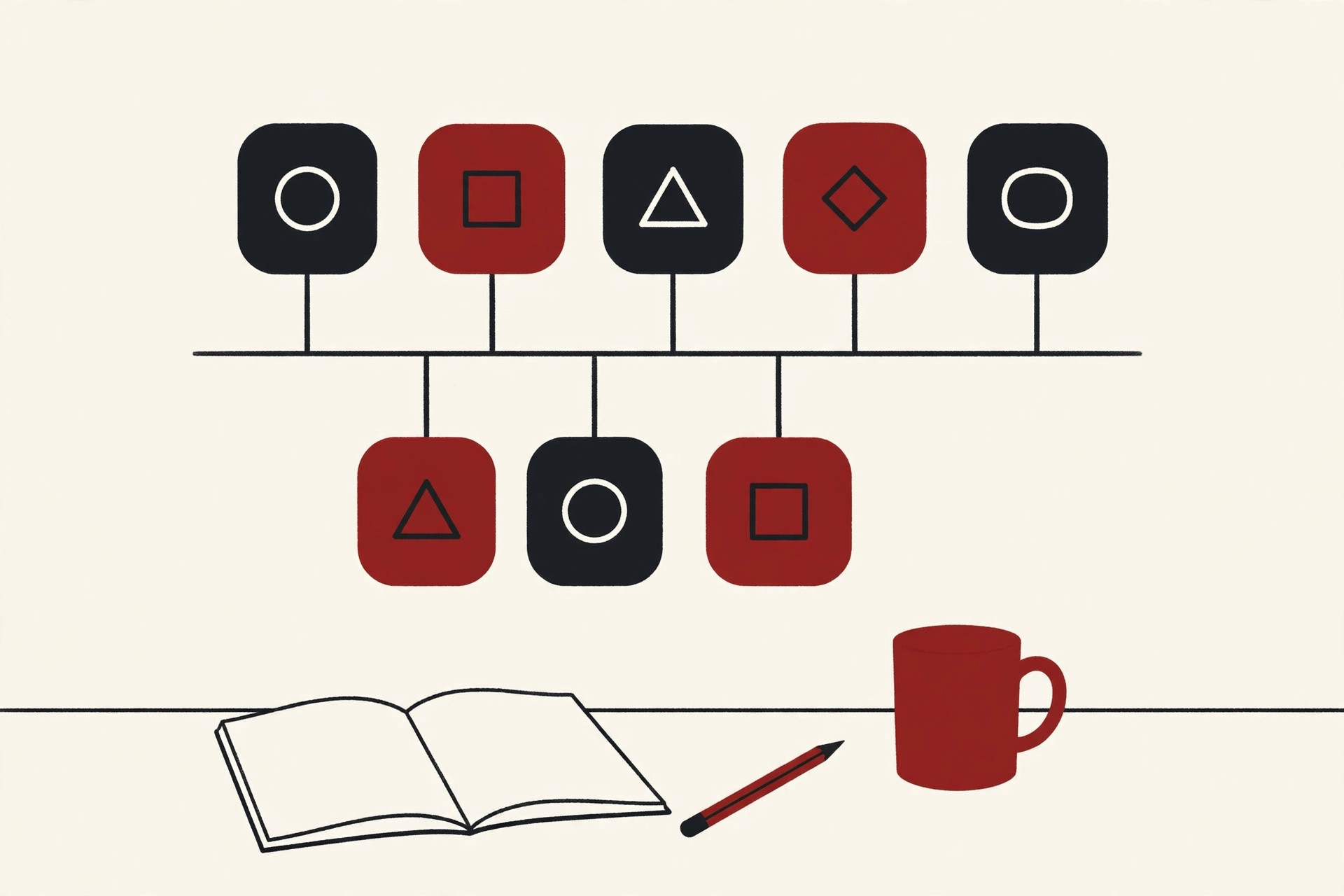
Each computer in the group is often called a node. A node has its own processor and its own memory. It does not share memory with the others the way the parts inside one laptop do. The only way nodes can cooperate is by sending messages to each other across the network.
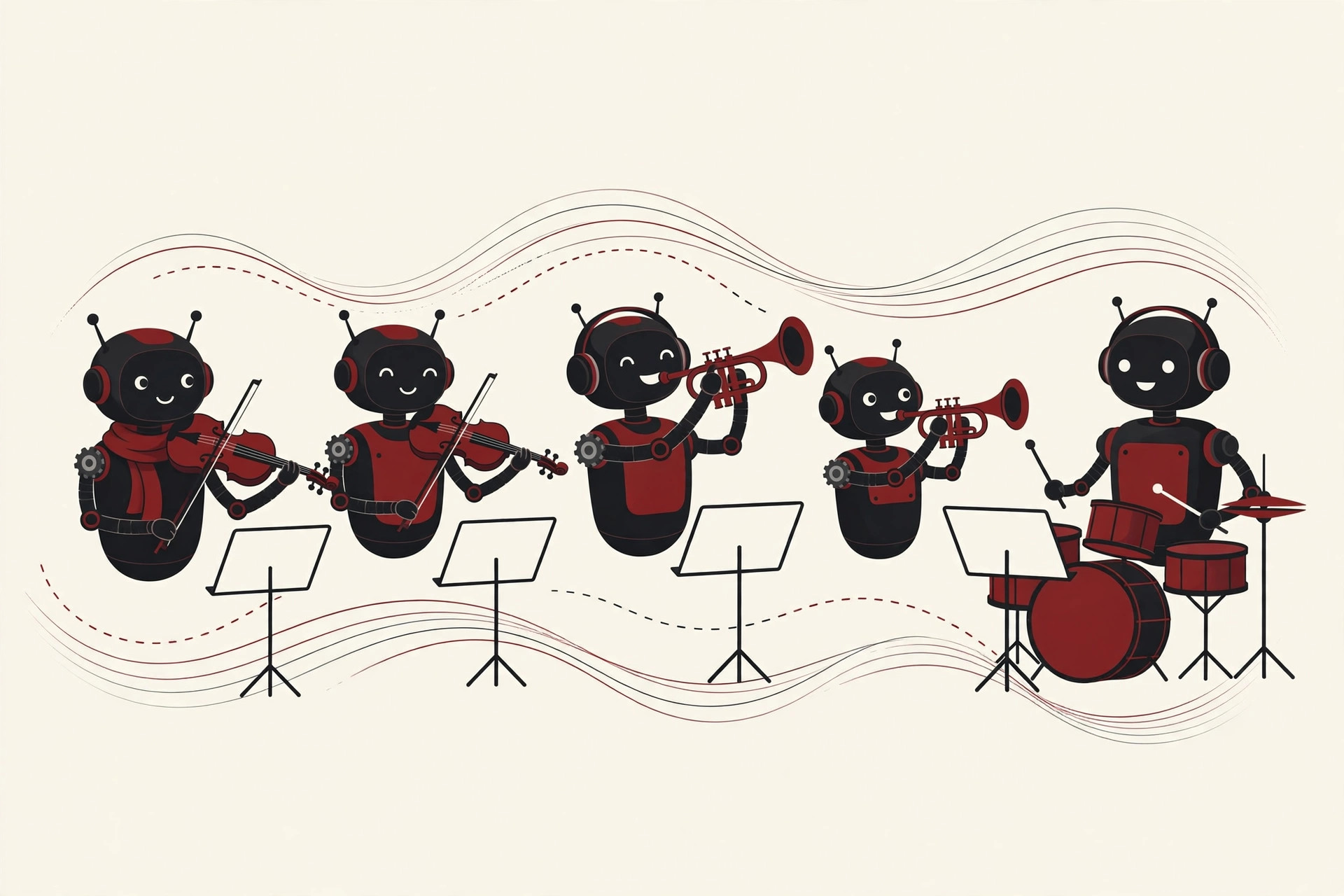
Picture an orchestra with no conductor. Every musician has their own instrument and their own sheet music, yet the group plays one song, in time, as a single performance. A distributed system works in much the same way: many independent parts, one result.
People build systems this way for two big reasons. First, some jobs are simply too big for one machine, like searching the whole web. Second, spreading the work means one broken machine does not take the whole service down with it.
Everyday Examples You Already Use
Once you know what to look for, distributed system examples are everywhere in daily life.
- Google Search. Your search is split across many computers, each holding a slice of the web index. Their partial answers are merged into the results page you see, usually in less than a second.
- Netflix. Movies are stored on servers in many regions. When you press play, a nearby machine streams the video, which is why it starts fast even though the company serves the whole planet.
- Online banking. Your balance is guarded by systems spread across data centers, so a failure in one building does not freeze everyone’s money.
- Multiplayer games. Players on different continents share one game world. Many computers track positions, actions, and scores, and keep them in step.
- Social media feeds. Your feed is assembled on the fly from posts, photos, and recommendations stored in many different places.
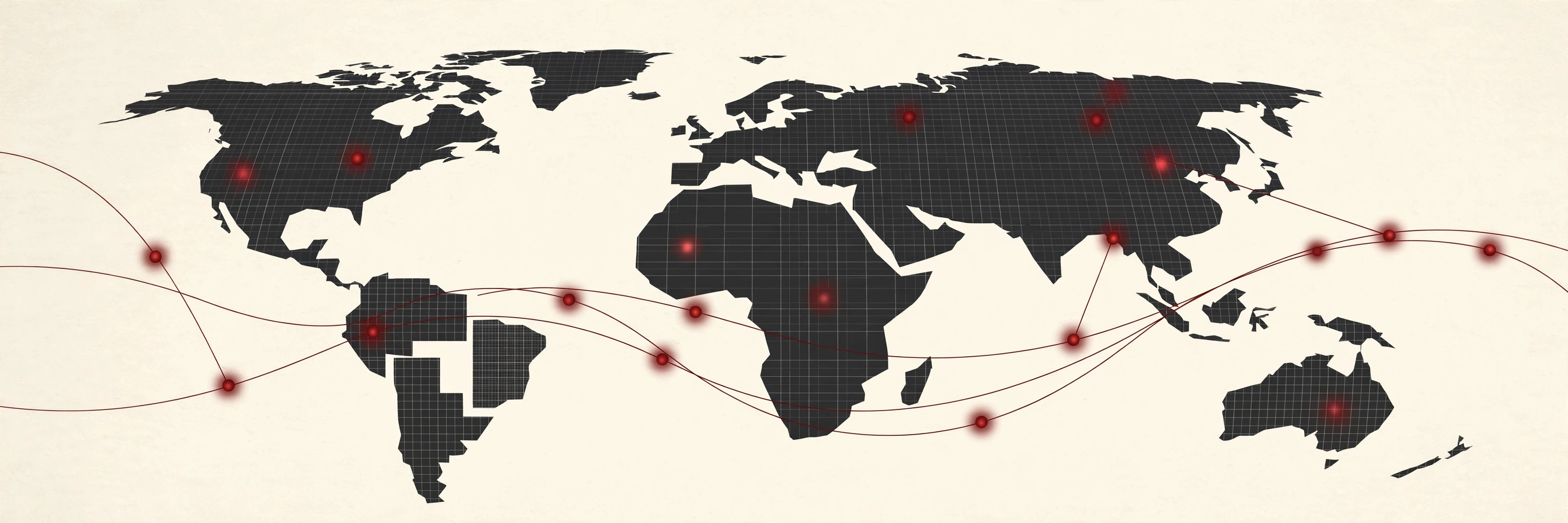
Notice the pattern in every case: you see one simple service, while a crowd of computers does the work backstage.
Main Characteristics of a Distributed System
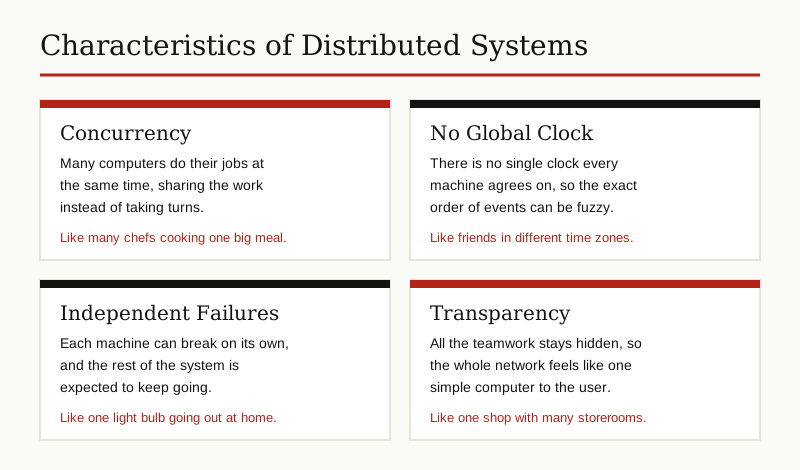
Four traits show up in almost every distributed system, and they explain both the power and the difficulty of the idea.
Concurrency. Many nodes do their work at the same time. Instead of one computer handling requests in a queue, hundreds can process jobs side by side, which is how big services stay fast under heavy load.
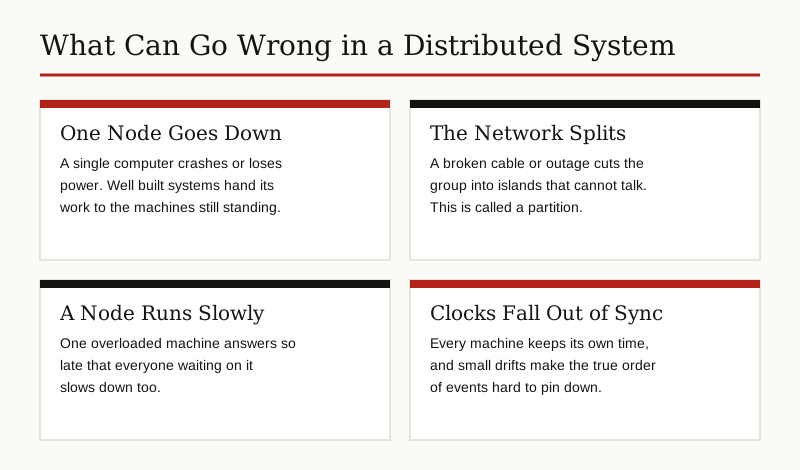
No global clock. There is no single clock that every node agrees on. Each machine keeps its own time, and those times drift apart by tiny amounts. That sounds trivial, but it means the exact order in which things happened across the system can be genuinely hard to prove.
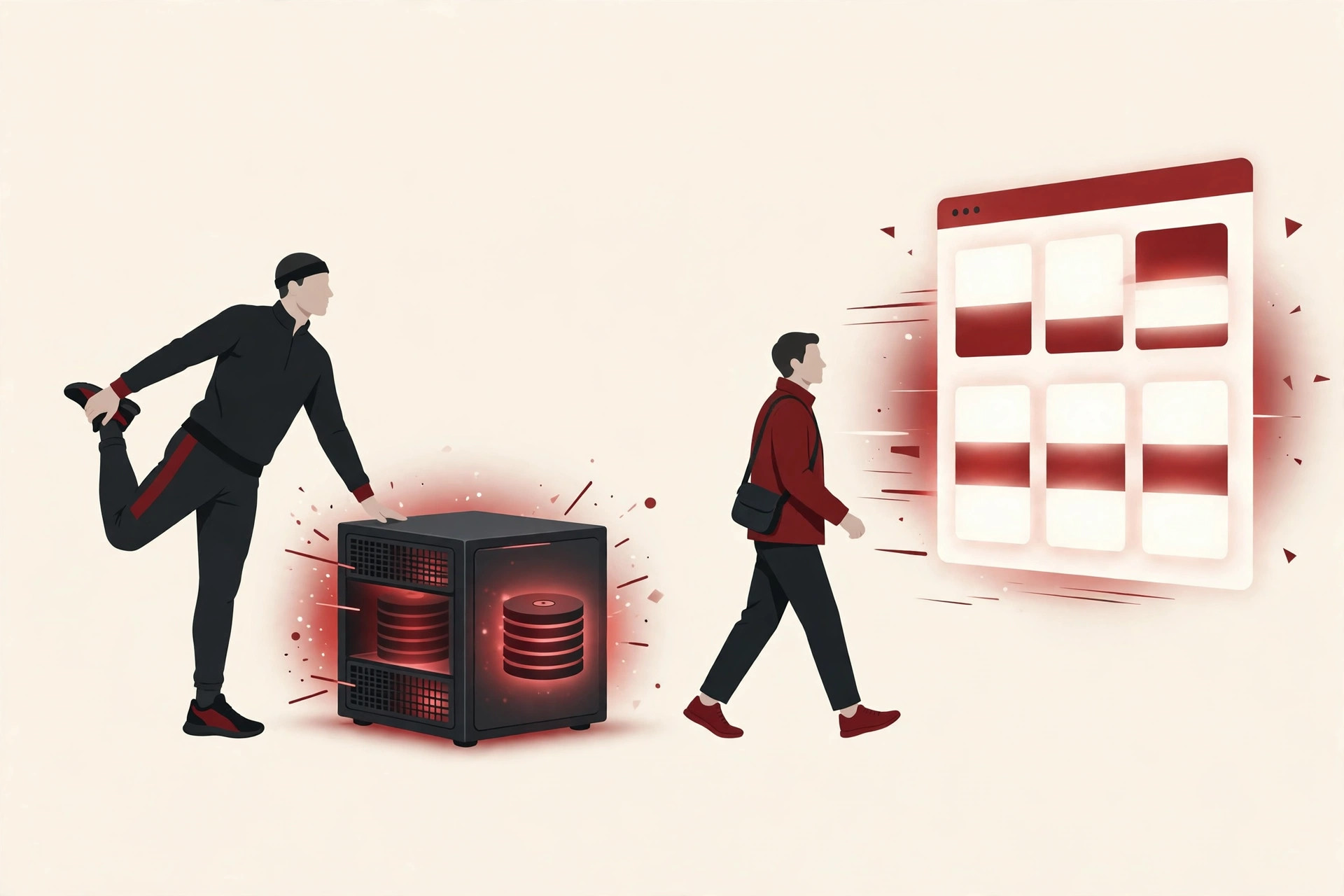
Independent failures. Each node can fail on its own, at any moment, without warning. A disk dies, a cable is cut, a building loses power. The system is designed with the expectation that parts of it are broken right now, somewhere, and it must carry on anyway.
Transparency. The inner teamwork stays invisible. You do not pick which server answers you, and you do not care. The whole network presents itself as one simple thing, like one shop that happens to have many storerooms.
Two more traits follow from these. A distributed system can scale, growing by adding more ordinary machines instead of buying one giant machine. And it shares resources, so data, storage, and computing power are available to the whole group rather than locked inside a single box.
How the Parts Work Together
If nodes cannot share memory, how do they cooperate? They talk, constantly, by passing messages.
One node sends a request, another node does some work and sends a reply. It is a lot like a postal network: sorting centers pass parcels along, each center handles part of the journey, and the sender never needs to know every stop the parcel made.
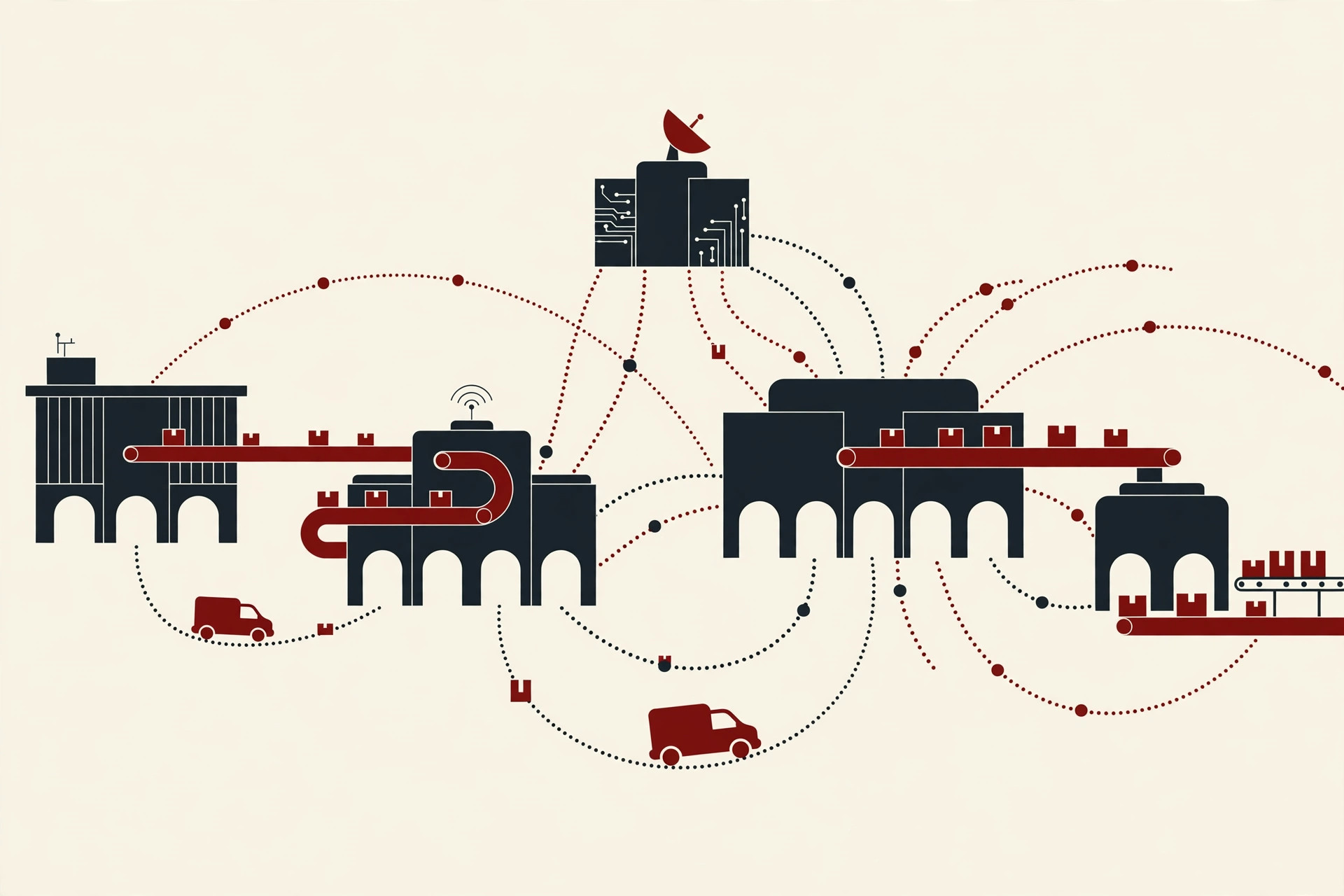
In practice, this talking follows agreed rules. Programs expose APIs, which are simply neat, documented ways for one program to ask another for something. If you want the details of that side, our guide to API design principles explains how those request and reply rules are designed.
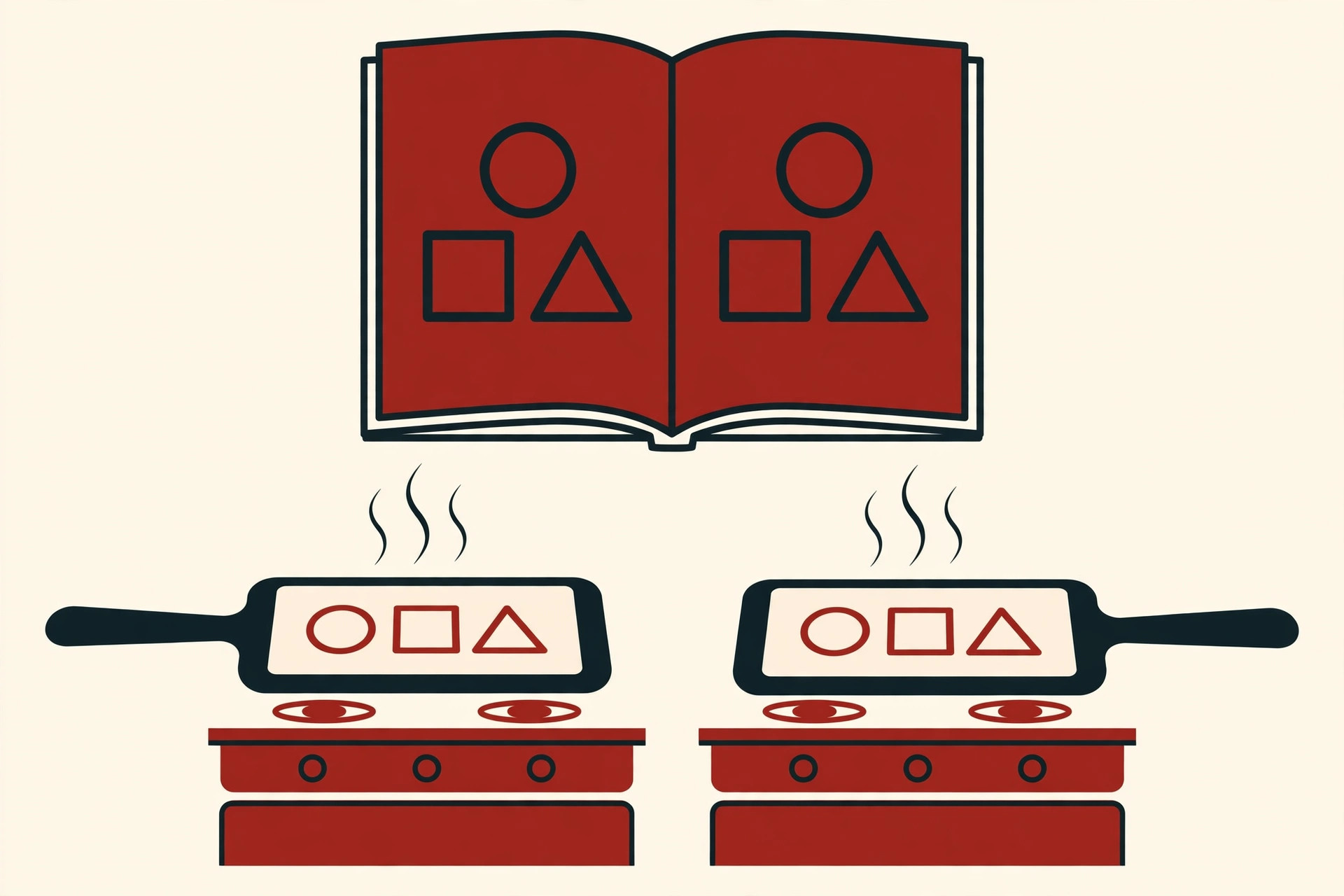
Two helpers show up in almost every system. A load balancer is a traffic director that spreads incoming requests across many nodes, so no single machine drowns while others sit idle. And replication means keeping copies of the same data on several nodes, so if one copy is lost, the data survives on the others.
The Hard Problems
Distributed systems are powerful, but they trade the simplicity of one machine for a new set of headaches. These are the famous ones.
Consistency. If data is copied onto ten machines, what happens when someone updates it? For a moment, some copies are new and some are old. Should the system wait until every copy agrees, which is safe but slow, or answer quickly and let copies catch up, which is fast but briefly out of date? There is no free answer, and different products choose differently. A bank leans toward waiting. A social network usually answers fast.
Latency. Messages take time to travel. Light itself needs time to cross an ocean, and no engineering can beat that. A reply from a server on another continent will always take longer than one from your own city, which is why big services place servers near their users.
Partial failures. In one computer, things mostly work or fail together. In a distributed system, half of it can be healthy while the other half is down, and from the outside it can be hard to tell which half you are talking to. Google’s engineers describe this daily reality in their free Site Reliability Engineering book, which has a whole chapter on watching systems that fail in pieces.
Ordering. With no global clock, two events on two machines may have no clear “first.” A reply can even appear to arrive before the message it answers. Systems use clever tricks, like stamping events with counters, to agree on an order that makes sense.
The CAP Theorem, Explained Simply
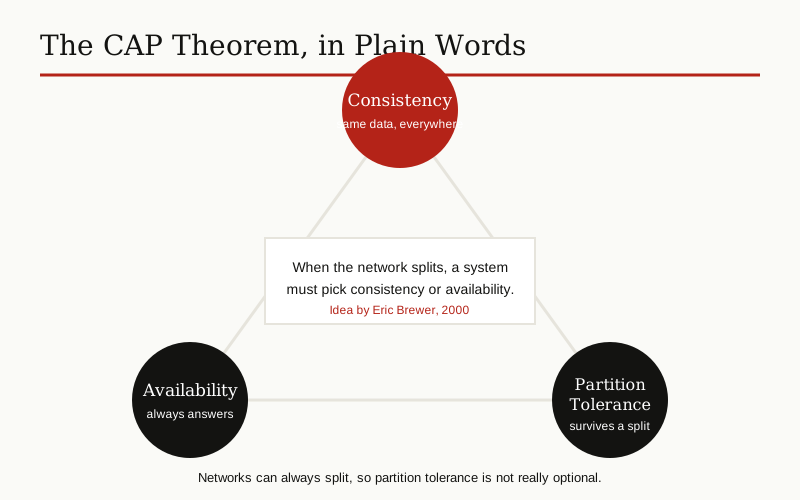
The most famous idea in this field pulls several of these problems together. It is called the CAP theorem, an idea proposed by computer scientist Eric Brewer in 2000 and formally proven a couple of years later.
CAP stands for three promises a system would love to keep at once:
- Consistency: every read gets the newest data, or an error.
- Availability: every request gets an answer, even if it might not be the newest data.
- Partition tolerance: the system keeps working even when the network splits into groups that cannot talk to each other.
Here is the key point, in plain words. Networks really do split, because cables break and data centers lose contact. When a split happens, a system cannot keep the first two promises at the same time. If the two halves cannot talk, each half must choose: stop answering until contact returns (protecting consistency), or keep answering with possibly stale data (protecting availability).
That is what the CAP theorem actually says. It is not “pick any two of three” as a shopping list. Partition tolerance is forced on you by reality, so the real choice appears only during a split, and it is consistency or availability. The CAP theorem page on Wikipedia gives the full formal version if you want to go deeper.
Types of Distributed Systems
Distributed systems come in a few classic shapes. Most real products mix more than one.
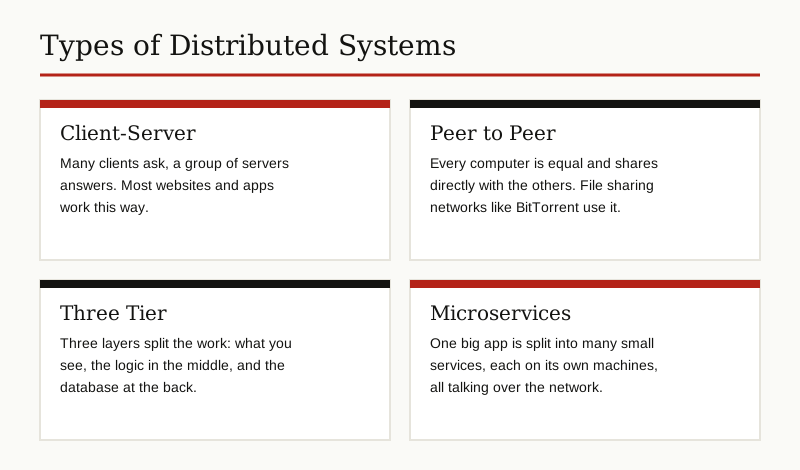
Client-server. The most common shape. Many clients, such as your browser or phone app, send requests, and a group of servers does the work and replies. Almost every website you use is built this way.
Peer to peer. Every node is equal. There is no boss server; each computer both asks for and provides help. File sharing networks like BitTorrent work this way, and so do some payment and messaging networks.
Three tier. The work is split into three layers: the part you see (presentation), the middle layer that holds the rules and logic, and the database layer that stores the data. Each layer can run on its own machines and grow separately. This is a very common shape for business software.
Microservices. One large application is split into many small services, each doing one job, each running on its own machines, all talking over the network. Big streaming and shopping platforms are often built this way. Our guide to software architecture explains where this style fits among the other patterns.
You will also meet distributed databases, which spread data itself across many machines, and cluster and grid systems, which link machines mainly to crunch very large calculations.
Advantages and Disadvantages
Advantages:
- Room to grow. Add more machines when demand rises, instead of replacing one machine with a bigger one.
- Stays up. With copies of data and work spread around, one failure rarely stops the whole service.
- Faster for everyone. Servers can sit close to users around the world, cutting waiting time.
- Shares resources. Storage and computing power are pooled, so nothing expensive sits unused.
Disadvantages:
- Hard to build. Coordination, message delays, and partial failures make design and debugging much tougher.
- Data headaches. Keeping copies in agreement is a permanent problem, not a one time fix.
- Security surface. More machines and more messages mean more doors to guard.
- Costs can creep. Many machines, plus the people to run them, are not cheap.
Distributed vs Centralized
A centralized system is the opposite design: one main computer does everything, and everyone connects to it. It is simpler, but it is also a single point of failure and a bottleneck. Here is the side by side view.
| Feature | Centralized system | Distributed system |
|---|---|---|
| How it runs | One main computer | Many computers working together |
| If the main part fails | Everything stops | Other nodes usually carry on |
| Growing bigger | Buy a stronger machine | Add more machines |
| Speed for far away users | Often slow | Servers can sit near the users |
| Data agreement | Easy, one copy rules | Copies must be kept in sync |
| How hard to build | Simpler | Harder, with more moving parts |
| Typical example | A small office file server | Google Search, Netflix, cloud platforms |
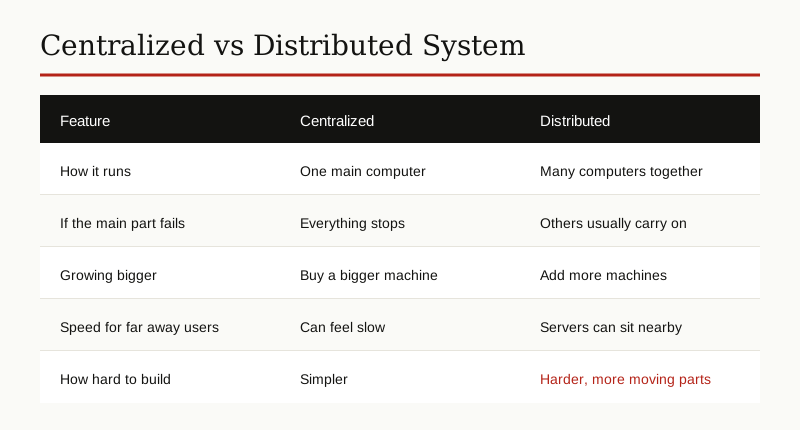
Neither design is “better” in general. A tiny internal tool may be perfectly happy on one machine. A service with millions of users around the world has no real choice but to spread out.
Where Beginners Meet Distributed Systems
You do not need a job at a tech giant to meet these ideas. Beginners usually run into them through three doors.
The first is the cloud. Platforms like AWS, Microsoft Azure, and Google Cloud are giant distributed systems that rent you pieces of their machinery, so even a one person project quietly runs on the same ideas Netflix uses.
The second is databases. The moment an app outgrows one database server, data gets copied and split across machines, and questions about consistency and copies arrive with it.
The third is caching and content delivery. Popular content is copied to servers near users so pages load quickly, and keeping those copies fresh is its own distributed systems problem, which is why topics like a warmup cache request exist at all.
If you are studying the subject, the topic lists at GeeksforGeeks are a handy map of what to learn next, and our own software development guides cover the building blocks one topic at a time.
Common Misconceptions
“A distributed system is just a big server.” No. The defining feature is many independent computers coordinating over a network. One giant machine is still one machine, with one point of failure.
“More computers always means faster.” Not always. Coordination costs time. For small jobs, the chatter between nodes can cost more than the work itself, and one good machine can win.
“The CAP theorem means picking two of three, forever.” As explained above, the choice between consistency and availability only appears during a network split. The rest of the time, systems work hard to give you both.
“If it is on the internet, it never goes down.” Even the biggest services have outages. Good distributed design does not remove failure; it makes failure small, local, and boring.
Conclusion
So, what is a distributed system? It is many ordinary computers, linked by a network, cooperating so smoothly that they feel like one machine. That simple trick is what lets a search engine answer the whole planet, lets a streaming service survive a broken data center, and lets your bank keep your money safe in more than one place.
The price of that power is a set of honest hard problems: no shared clock, copies that drift apart, networks that split, and the CAP theorem forcing a choice when they do. Once you understand those problems in plain words, the designs of the services you use every day start to make a lot of sense.