Imagine your main computer system fails tomorrow morning, or your biggest supplier closes without warning. What would you do in the first hour? Who would you call? How long could you keep serving customers before the damage became serious?
The resilience lifecycle framework is a simple way to answer those questions before you ever have to. It describes resilience, the ability to keep going when something goes wrong, as a repeating cycle of five stages: prepare, prevent, respond, recover, and adapt and learn.
One honest note before we go further. There is no single official standard with this exact name, and no authority anywhere that owns one true list of stages. Published guides name the stages in slightly different ways, and government and standards bodies publish their own close versions. So this article does two things. It gives you the five stage version that published guides most commonly agree on, and it shows you exactly where the names vary and how the model compares with official versions, so you can judge the evidence yourself.
What Is the Resilience Lifecycle Framework?
The resilience lifecycle framework is a cycle for getting ready for disruption, getting through it, and getting better after it. A disruption is any event that stops normal work: a cyberattack, a flood, a fire, a failed supplier, a power cut, or a key employee leaving with knowledge nobody else has.
It is called a lifecycle because it loops. You prepare, you prevent what you can, you respond when something slips through, you recover, and then you learn from the experience and prepare again, smarter than before. That loop is the whole point, and we will come back to it later.
The idea is bigger than a disaster recovery plan. A recovery plan usually covers one thing, often computer systems, and only starts after the damage is done. The lifecycle covers the whole business, people, suppliers, money, and reputation included, and it starts long before anything goes wrong.
The five stages also show up, almost word for word, in a serious place. The Bank of England defines operational resilience as the ability of firms to prevent, adapt, respond to, recover and learn from operational disruptions. Different order, same five ideas. When a central bank and everyday business guides land on the same handful of verbs, it is a sign the model captures something real about how organizations survive trouble.
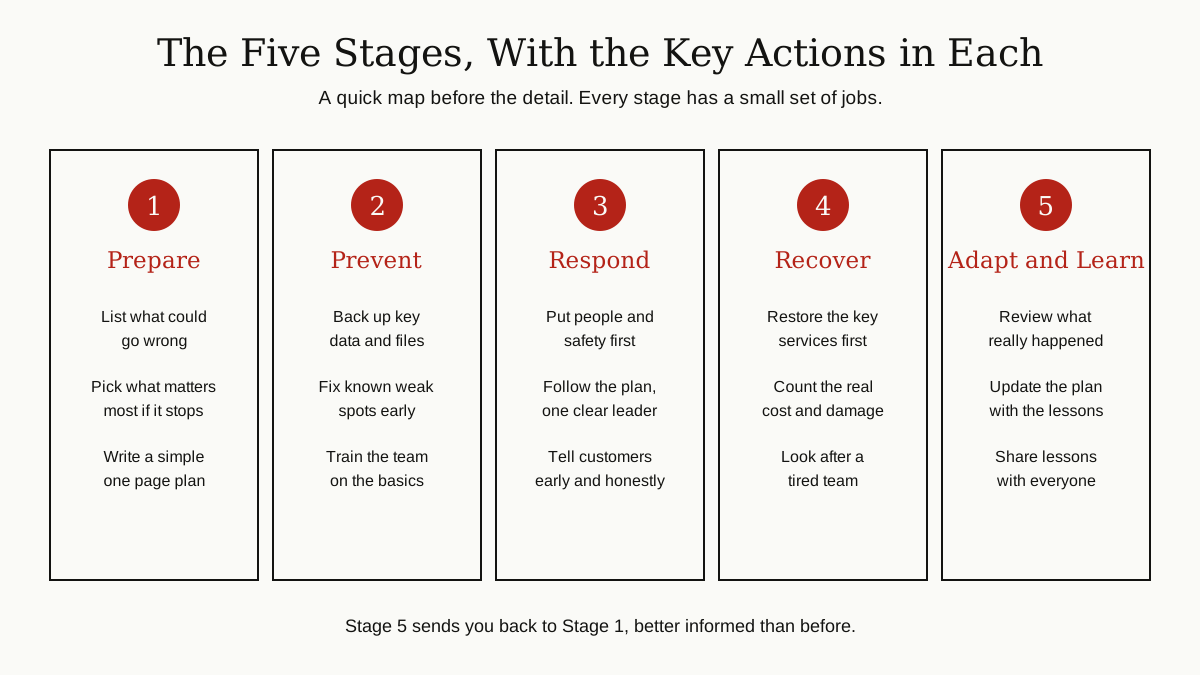
Here is the short version of the cycle:
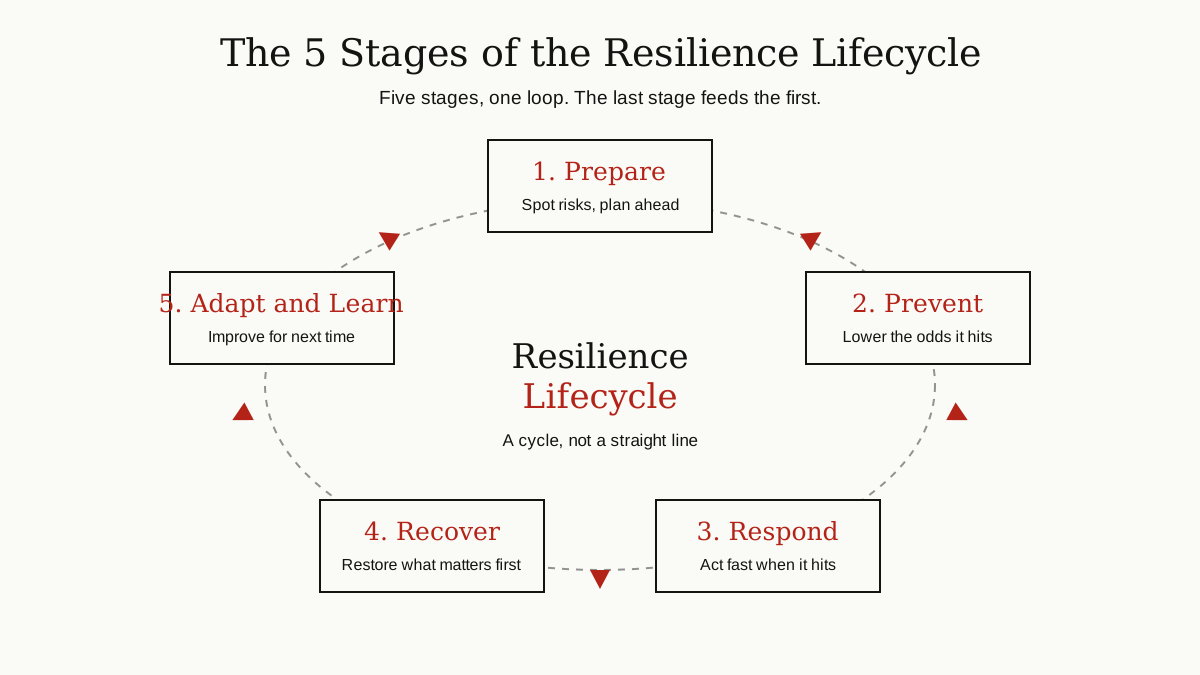
- Prepare: look ahead, spot what could hurt you, and plan for it.
- Prevent: reduce the chance of trouble, or soften its impact.
- Respond: act quickly and calmly while the disruption is happening.
- Recover: restore normal work, starting with what matters most.
- Adapt and Learn: study what happened and improve the plan.
The Honest Bit: The Stage Names Vary
Because no single body owns this framework, you will see small differences between sources. Here is what the published record actually shows, so nothing in this article rests on a made up claim.
Many business guides present the five stages exactly as above, sometimes calling the first stage Preparation and the last stage Adapt and Evolve. Other guides start with Anticipate instead of Prepare, and end with a stage simply called Learn. The words shift a little; the sequence and the meaning stay the same.
Official models from established bodies are close cousins, not exact copies:
- The Scottish Government teaches emergency resilience as Integrated Emergency Management, five steps: Assessment, Prevention, Preparation, Response, and Recovery, all joined together by continual learning. You can read the steps on the Ready Scotland resilience cycle page.
- In the United States, FEMA runs its National Preparedness System around five mission areas: Prevention, Protection, Mitigation, Response, and Recovery.
- For computer systems, the US standards body NIST publishes four cyber resilience goals in SP 800-160 Volume 2: Anticipate, Withstand, Recover, and Adapt.
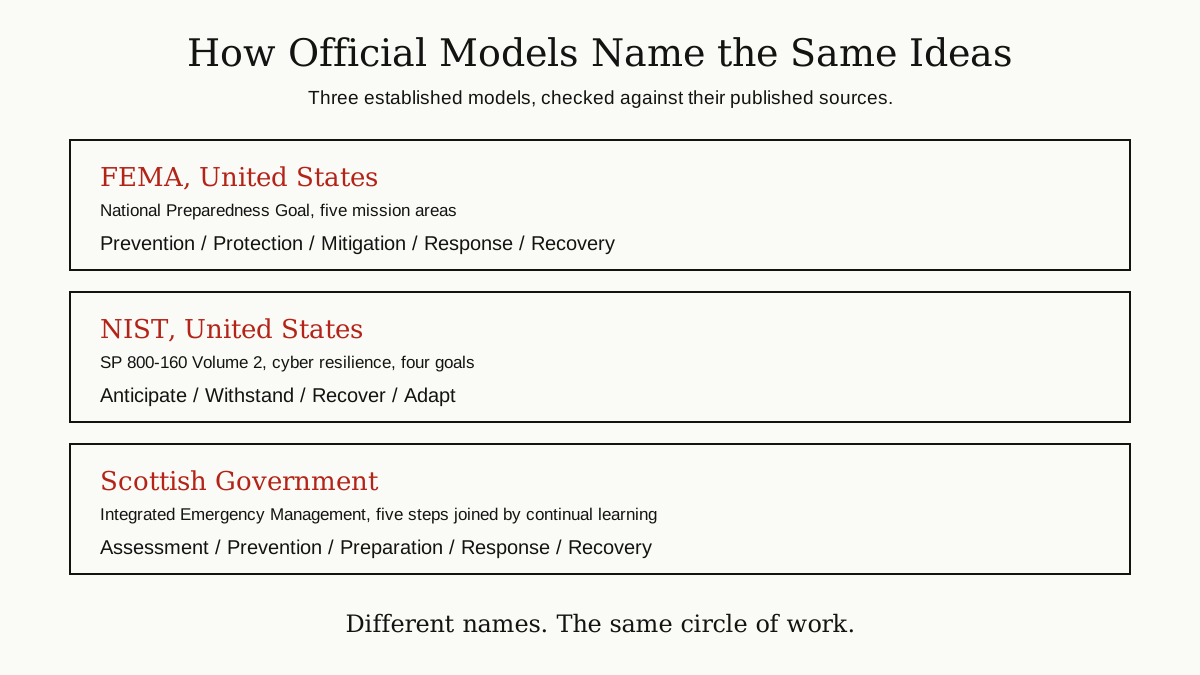
Read those lists side by side and the pattern is clear. Everyone agrees you must think ahead, reduce what you can, act during the event, restore afterwards, and improve. They disagree only on labels and on how finely to split the early stages. The rest of this article uses the most common five stage version: prepare, prevent, respond, recover, and adapt and learn.
The 5 Key Stages, Explained With One Example
To keep things concrete, we will follow one business through all five stages: a small clothing shop that sells in a store and through its own website, with a team of six people.
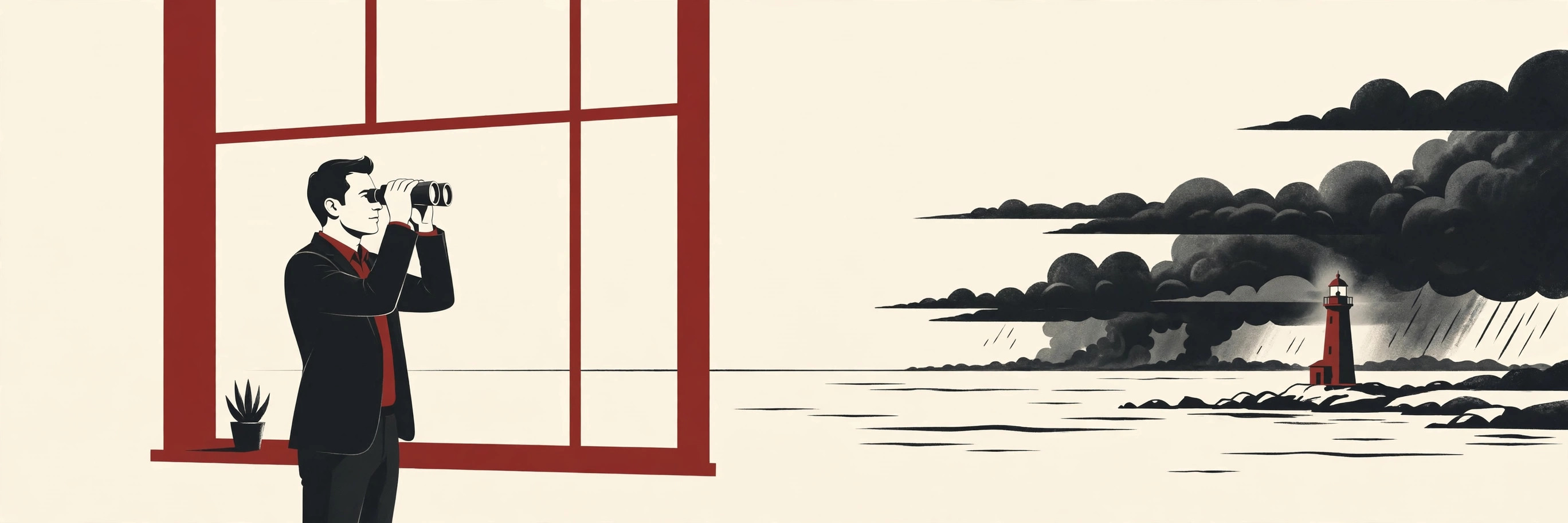
Stage 1: Prepare
Prepare means looking ahead while times are calm. You list what could hurt the business, decide which losses would hurt most, and write down a simple plan. A common tool here is a business impact analysis, which is a grand name for a plain question: if this stopped for a week, what would it cost us?
Our shop lists its real risks: the website going down, the card payment service failing, its one main clothing supplier closing, and the fact that only the owner knows the key passwords. It writes one page with these risks, the phone numbers that matter, and who does what if trouble starts. Preparation is cheap. It costs an afternoon, and it buys calm later.
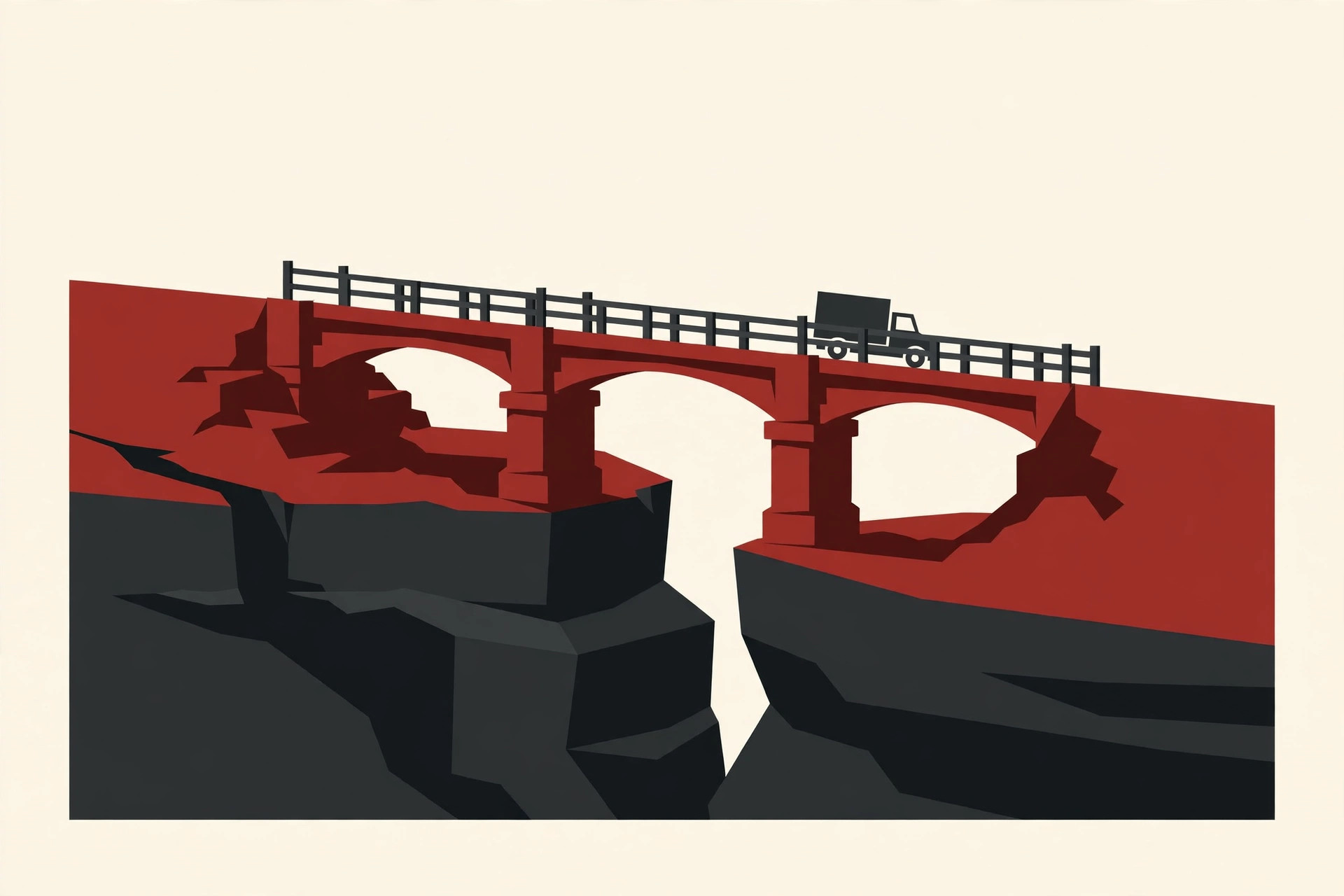
Stage 2: Prevent
Prevent means acting on what preparation found, to lower the chance of trouble or shrink the damage when it comes. Typical prevention work includes data backups, software updates, staff training, a second supplier for critical items, insurance, and strong passwords with a second person able to access key accounts.
Our shop turns on automatic backups of the website and customer data, sets up a backup supplier it can order from in a hurry, and gives a trusted manager her own access to the important accounts.
Some guides merge this stage into preparation, and FEMA splits it into prevention and protection. That is a labeling choice. The work itself, fixing weak spots before they fail, is the same everywhere.
Stage 3: Respond
Response is what you do while the disruption is happening. The goals are simple: keep people safe, limit the damage, and communicate early. A response works far better when roles were decided during preparation, because the middle of a crisis is a bad time to argue about who is in charge.
One Saturday, the shop website goes down during a busy sale weekend. The owner follows the plan instead of improvising. The manager posts a clear note on the shop social media page, takes orders by phone, and keeps a written list of every order. The owner calls the hosting company and stays on the problem. Customers are annoyed, but they are informed, and informed customers are far more patient than ignored ones.
Stage 4: Recover
Recovery means restoring normal work in the right order. You fix the most important things first, count the real cost of what happened, and look after the people who carried the extra load. Recovery is not finished when the lights come back on; it is finished when the business is genuinely back on its feet.
The hosting company restores the site from the automatic backup, the exact backup the shop set up in the prevent stage. The team works through the phone orders, checks every payment, and the owner gives the staff a proper thank you and a quieter week. Total damage: one lost weekend of online sales, not a lost business.
Stage 5: Adapt and Learn
The last stage is the one teams skip most often, and it is the stage that makes this a lifecycle instead of a one time plan. After things settle, you sit down and review honestly. What happened? What worked? What failed? Then you change the plan so the next event goes better.
In their review, the shop spots something important. The website failure was fixed fast, but the first two hours were wasted because the manager did not have the hosting company login. The fix takes ten minutes: account access is shared properly, and the plan is updated. That lesson flows straight back into the prepare stage, and the cycle starts again at a higher level.
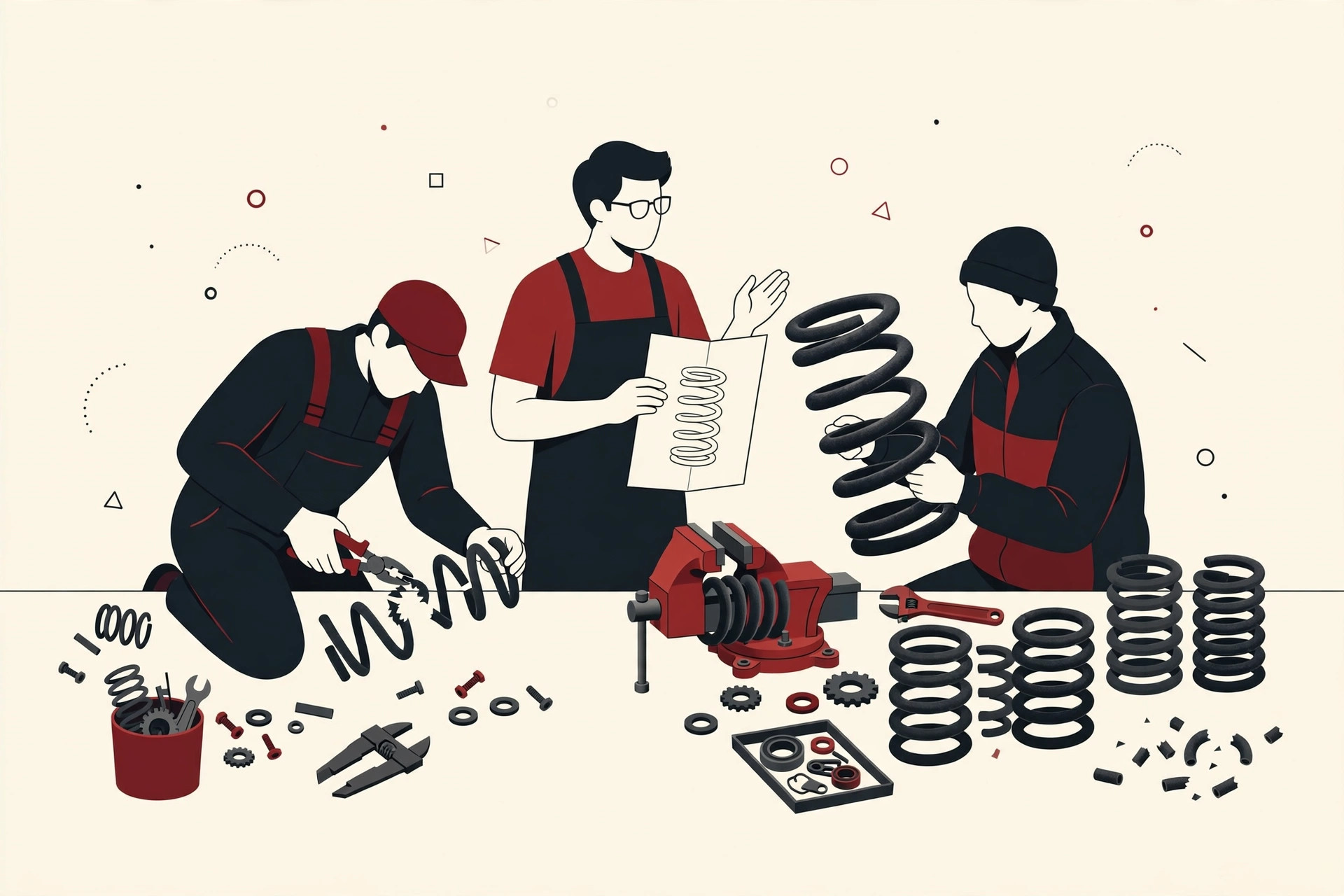
NIST calls this idea Adapt: changing how you work based on what you learned. Scotland builds the same idea through every step as continual learning. Whatever the label, skipping it means paying full price for a lesson and then throwing the lesson away.
Why the Framework Is a Cycle, Not a Straight Line
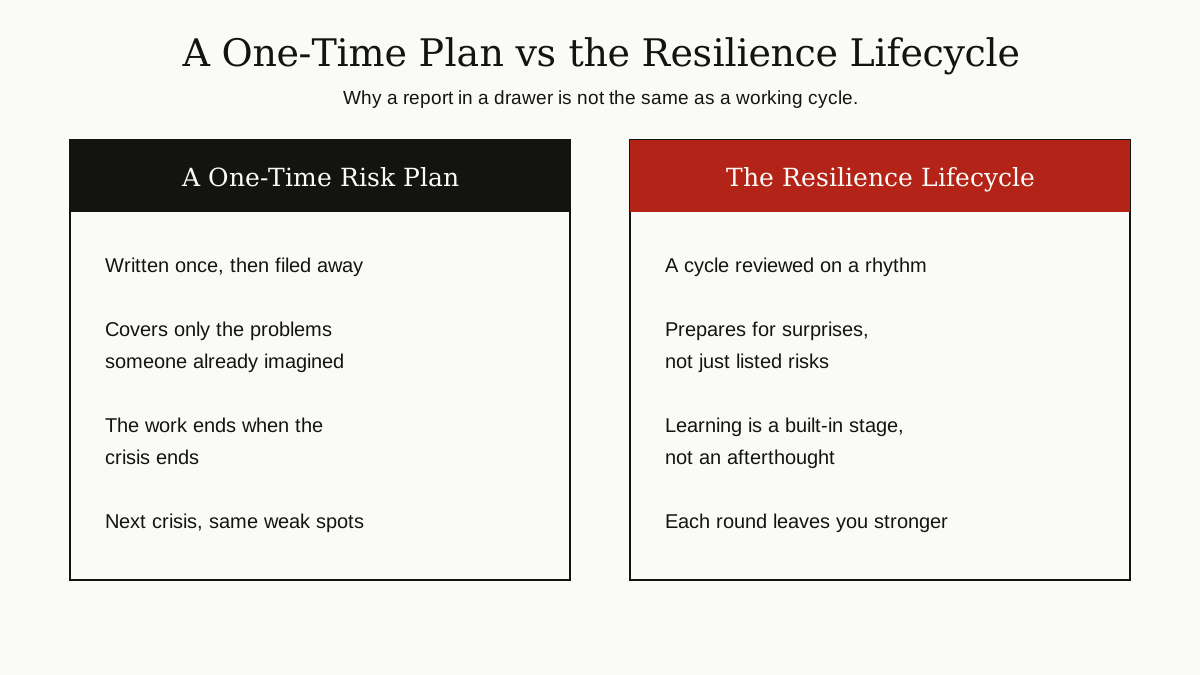
A straight line ends. A cycle keeps working, and resilience needs to keep working for three reasons.
First, risks change. New software, new suppliers, new staff, and new threats arrive every year, so a risk list written once is out of date quickly. Second, the business changes. The plan that fit a team of three will not fit a team of thirty. Third, every real incident teaches things no planning session can invent. If those lessons do not flow back into preparation, they are wasted.
This is also the honest difference between the lifecycle and a traditional risk report. A report is a snapshot: risks listed, boxes ticked, document filed. The lifecycle treats the same work as a habit, closer to how a business handles money than how it handles paperwork. Ongoing checking habits, like the ones in our guide to compliance monitoring, work the same way. Many teams also track a few simple numbers each time they run the cycle, such as how long recovery took, and our guide to KPI examples shows how to pick measures that stay useful instead of decorative.
How a Small Business Can Apply the 5 Stages
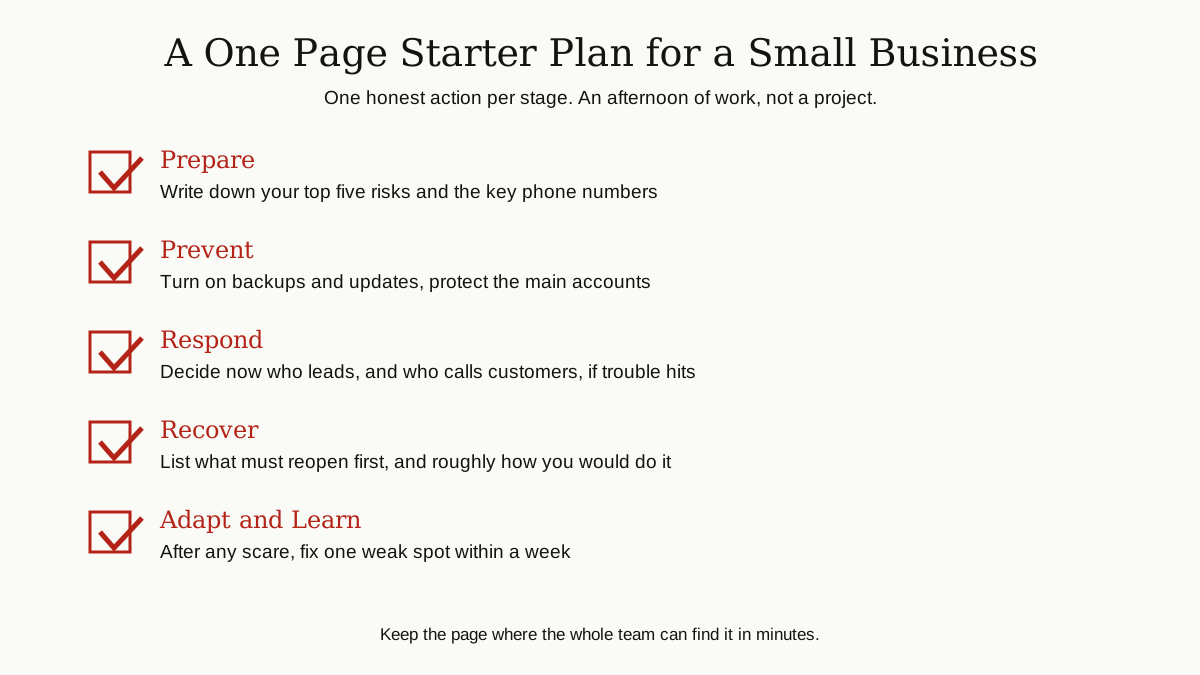
You do not need a consultant, special software, or a thick manual to start. You need one page and a few honest hours. Here is a starter version, one action per stage:
- Prepare: write your top five risks on one page, with the key contacts next to each one.
- Prevent: turn on backups and automatic updates, and protect your main accounts with strong passwords and two step sign in.
- Respond: decide today who leads during a crisis and who talks to customers. Write both names on the page.
- Recover: list, in order, what must reopen first for the business to survive the week.
- Adapt and Learn: after any scare, big or small, hold a 30 minute review within a week and fix the single weakest spot you found.
Keep that page somewhere the whole team can reach in minutes, and keep the tasks, owners, and review dates in the same place you manage other work. Simple project management tools are more than enough for a plan this size. Then set a rhythm: a short review every few months, and a fresh look at the risk list whenever the business changes in a big way.
The Bottom Line
What are the 5 key stages of resilience lifecycle framework? In the version most published guides agree on, they are prepare, prevent, respond, recover, and adapt and learn. No single authority owns the list, and official models from FEMA, NIST, and the Scottish Government use their own labels, but they all describe the same circle of work: think ahead, reduce what you can, act well during trouble, restore what matters, and learn before the next round.
You do not need to adopt anyone perfect wording. Pick the version above, write your one page, and run the cycle once. A business that has been around the loop even one time is far better prepared than one with a thick plan it has never tested. For more guides like this one, browse the business productivity category.