If you follow AI news in 2026, one phrase keeps turning up in the headlines: multi-agent AI. Google donates a protocol. Microsoft merges two frameworks into one. A research lab reports that a team of agents beat a single agent by 90 percent.
This edition of our multi-agent AI news roundup explains what the phrase actually means, then walks through the biggest verified stories behind the headlines, with dates and sources, so you can tell real progress from hype.
What Multi-Agent AI Actually Means
A multi-agent system is a team of AI agents working on one job together. Each agent is a program built around an AI model, with its own instructions, its own tools, and one smaller role to play.
Picture a newsroom. One reporter digs up facts. A second checks them. A third writes the story. An editor reads everything and sends back anything that is weak. No single person does the whole job, and the result is better because each person is focused.
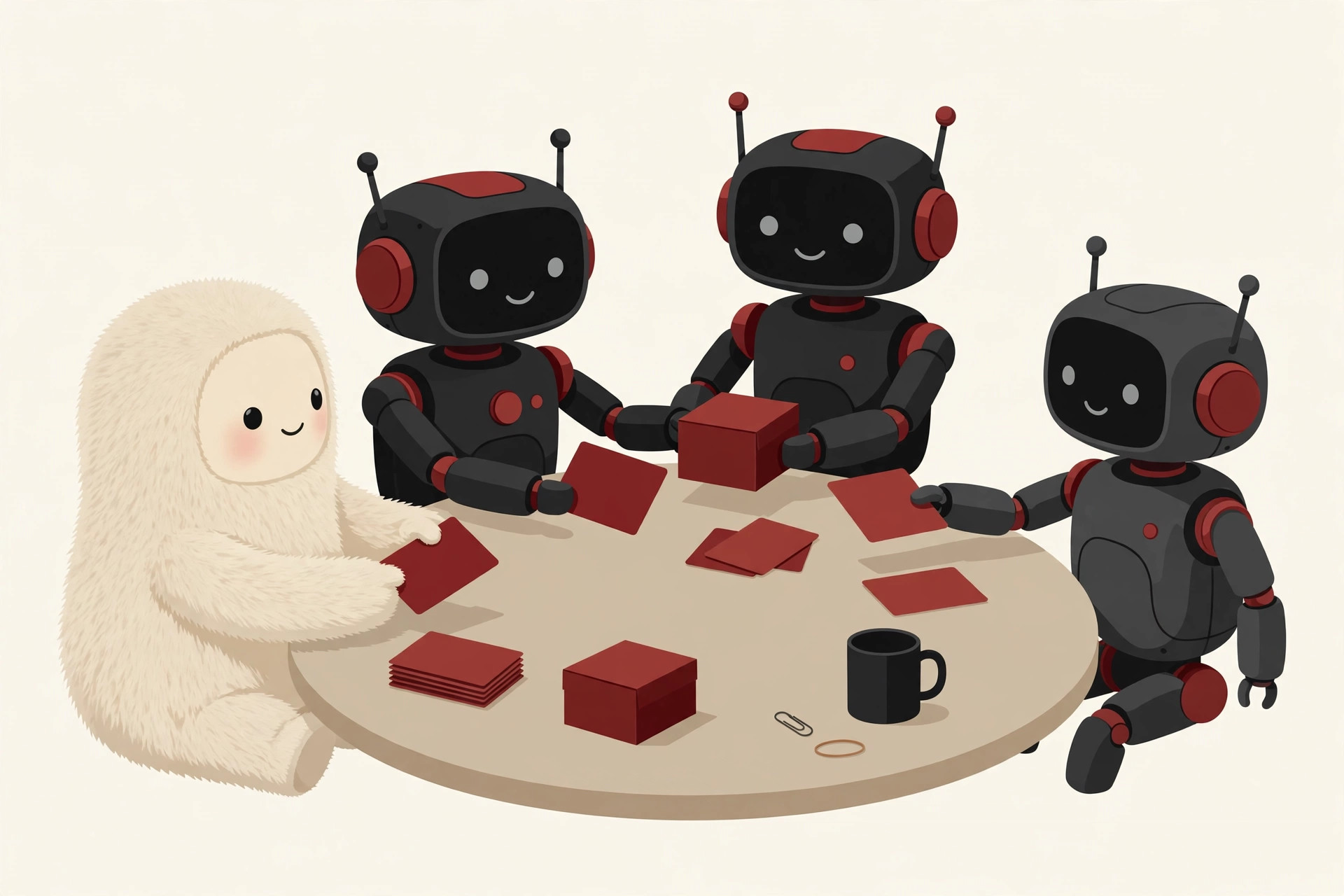
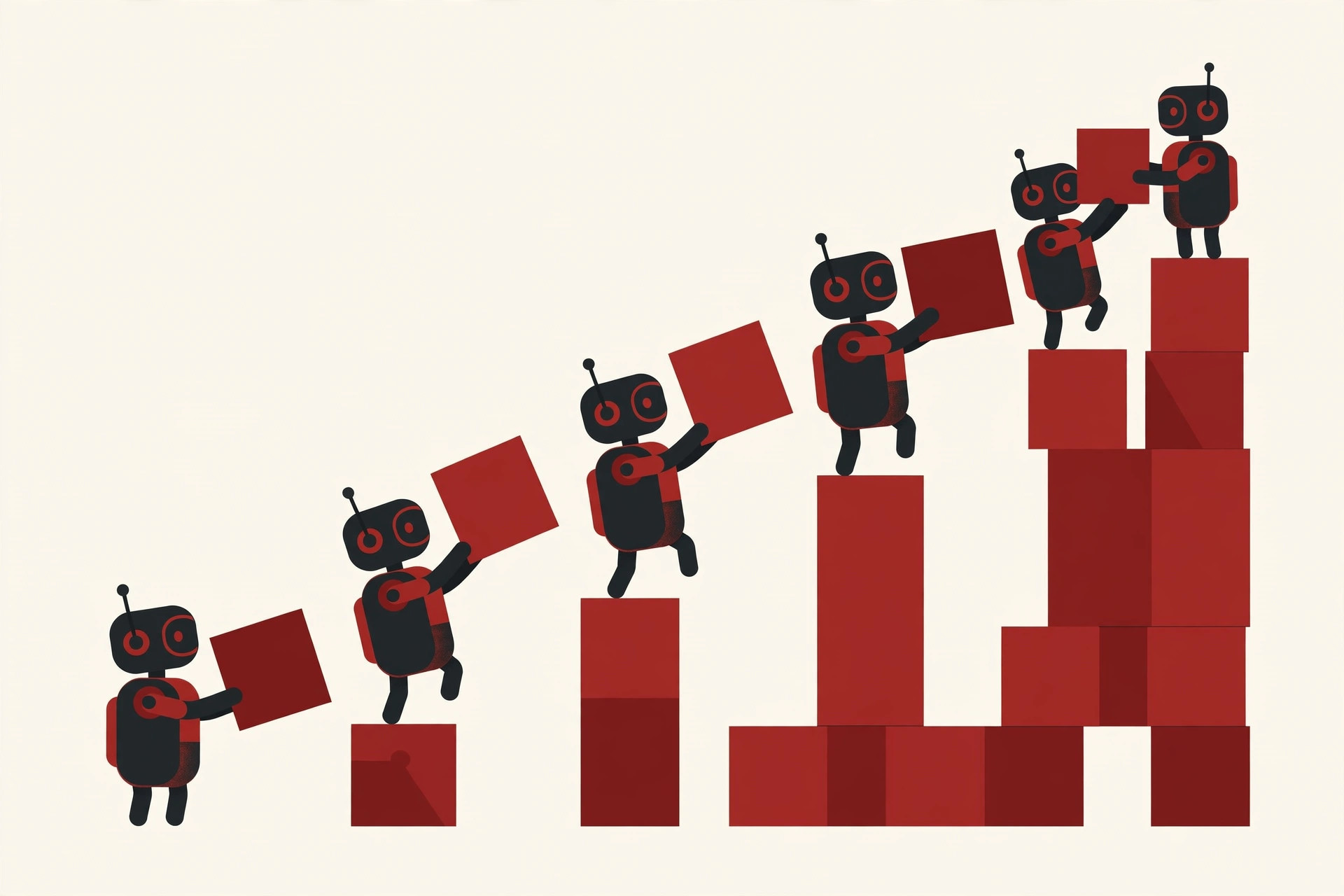
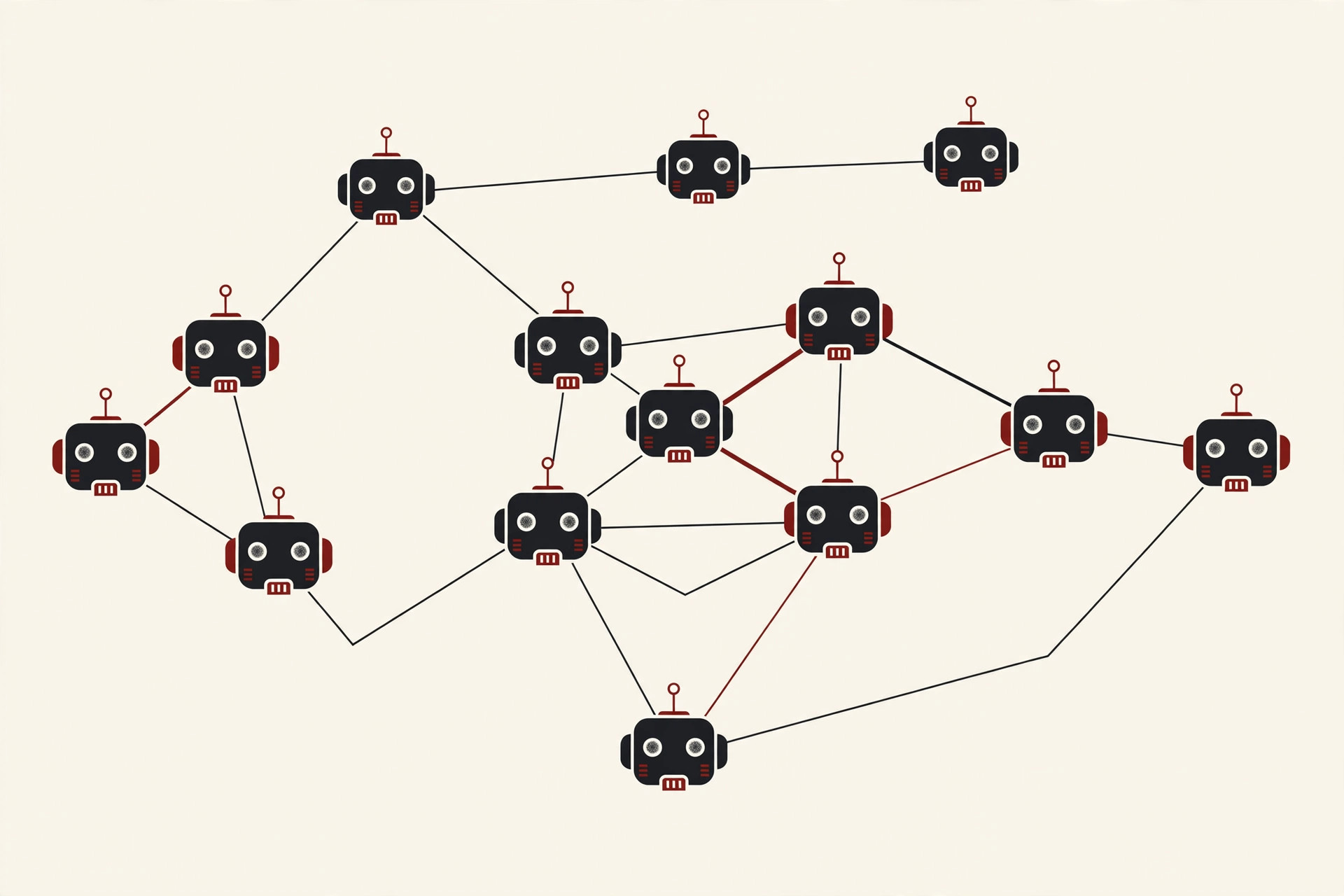
Multi-agent AI copies that newsroom. A lead agent takes the goal, splits it into parts, and hands each part to a specialist agent. The specialists work, often at the same time, and pass their results back. The lead agent combines everything into a final answer.
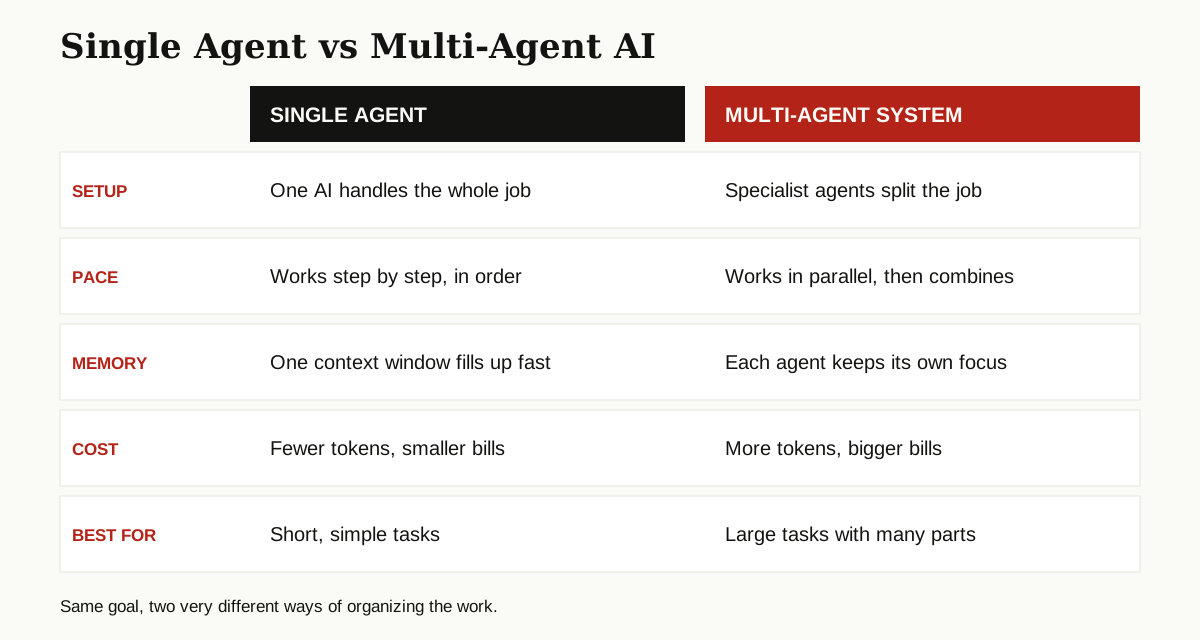
This is the step beyond the single agentic AI systems we explained in our earlier guide: instead of one very busy agent, you get a small organized team.
Why One Agent Is Not Always Enough
A single agent sounds simpler, so why is the whole industry moving toward teams? Three practical reasons keep coming up.
Memory runs out. An agent reads everything into a limited context window. On a long job, the window fills up, early details get dropped, and quality falls. A team gives each agent a smaller pile to hold.
Serial work is slow. One agent does step one, then step two, then step three. Ten research questions take ten turns in a row. A team can chase all ten at once.
One prompt cannot be expert at everything. The instructions that make an agent a careful fact checker are different from the ones that make it a bold writer. Splitting roles lets each agent be tuned for one job.
None of this is free, and we will get to the costs honestly below. First, the news.
The Big Stories in Multi-Agent AI News
The Protocol Story: Google Launches A2A, Then Gives It Away
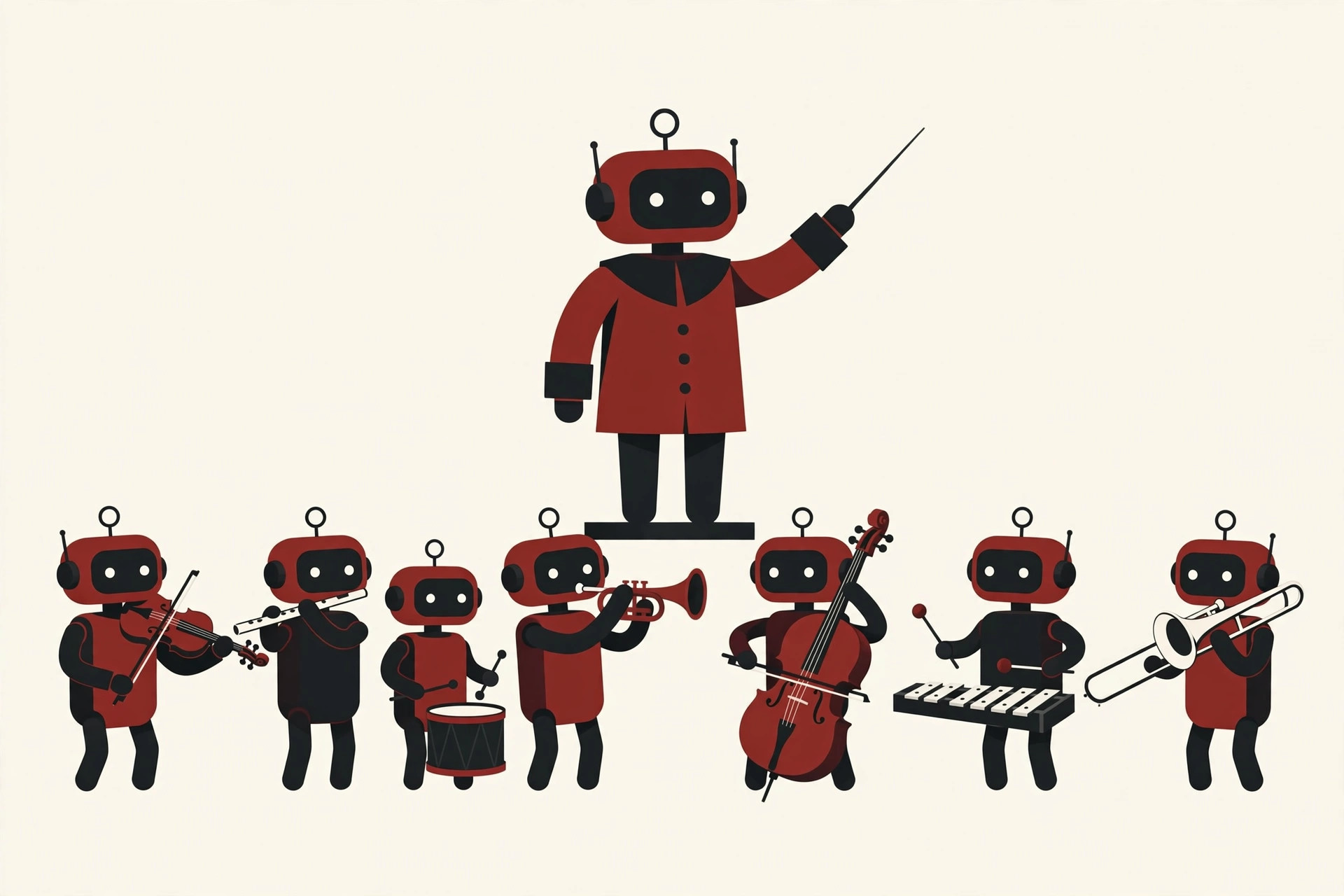
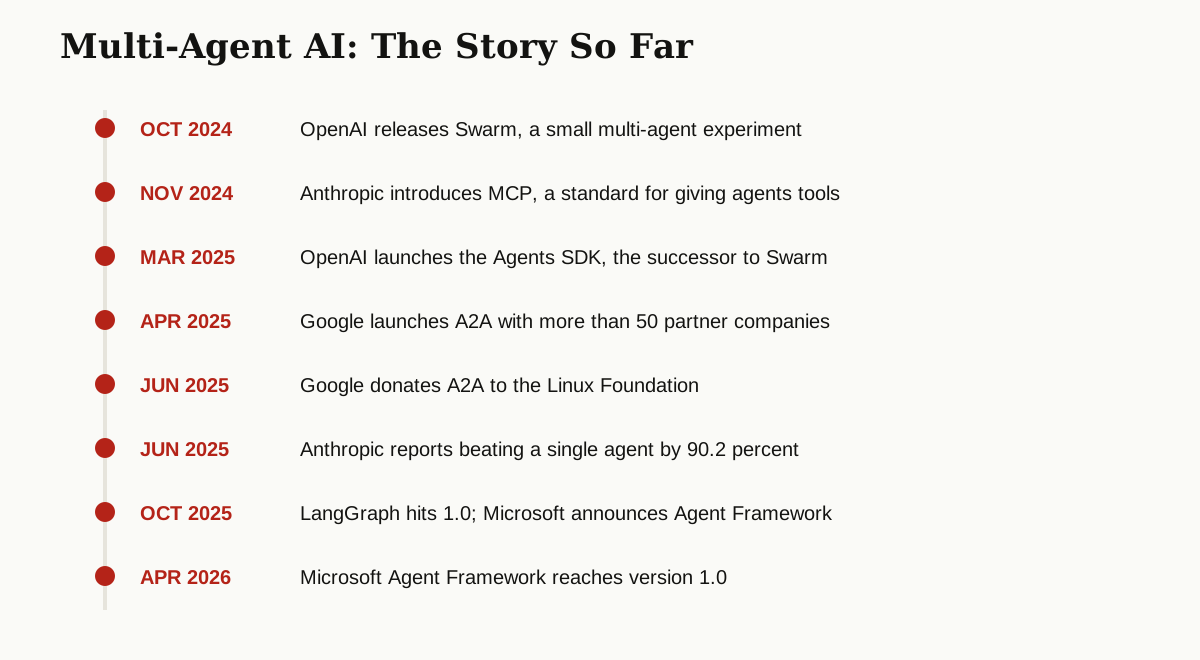
On April 9, 2025, Google announced the Agent2Agent protocol, called A2A for short, in a post on its developer blog. A2A is a shared language that lets agents built by different companies find each other, describe what they can do on a public “Agent Card,” and hand tasks back and forth safely.
More than 50 companies backed A2A on day one. Then came the bigger signal. On June 23, 2025, at the Open Source Summit in Denver, Google donated A2A to the Linux Foundation, as IBM explains in its guide to the agent2agent protocol. The founding members of the new project included AWS, Cisco, Microsoft, Salesforce, SAP and ServiceNow, rivals who rarely agree on anything. Support has since grown past 100 companies. When competitors put a shared standard under neutral control, it usually means they all expect it to matter.
The Framework Story: Microsoft Merges AutoGen and Semantic Kernel
Microsoft spent years running two agent frameworks at once. AutoGen, a Microsoft Research project you can read about on its official research page, made multi-agent conversations famous. Semantic Kernel was the enterprise toolkit. Teams were never sure which one to bet on.
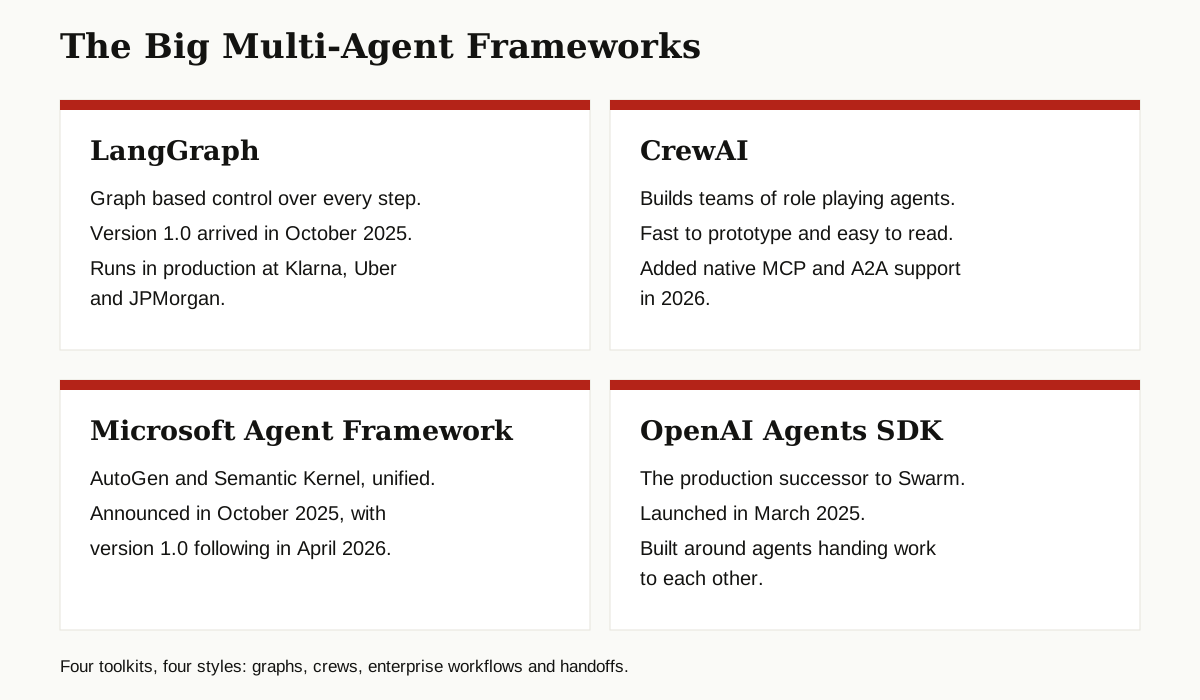
On October 1, 2025, Microsoft ended the confusion by announcing Microsoft Agent Framework, one toolkit combining AutoGen’s agent style with Semantic Kernel’s enterprise features. AutoGen moved to maintenance mode the next day. Version 1.0 of the new framework shipped on April 3, 2026, with support for both MCP and A2A built in. For Azure shops, the message was simple: this is the road now.
The Open Source Story: LangGraph 1.0 and the Rise of CrewAI
Two open source projects turned multi-agent systems from demos into production tools. LangGraph, from the LangChain team, treats an agent workflow as a graph of steps you can pause, inspect and restart. It reached version 1.0 on October 22, 2025, and the company reports production users including Klarna, Uber and JPMorgan.
CrewAI took the opposite style: you describe a “crew” of agents by role, like researcher, analyst and writer, and it runs them as a team. CrewAI says its framework powered nearly 2 billion agent executions during 2025, and in 2026 it added native support for both MCP and A2A, so its crews can use standard tools and talk to outside agents.
The OpenAI Story: From Swarm to the Agents SDK
OpenAI’s path shows how fast this field moved. In October 2024 it released Swarm, a small experimental framework for agents handing work to each other. OpenAI was clear it was a teaching tool, not a product.
On March 11, 2025, the experiment grew up. The OpenAI Agents SDK launched as Swarm’s production successor, with handoffs between agents, safety guardrails and tracing built in. At its DevDay event on October 6, 2025, OpenAI folded the SDK into AgentKit, its bigger agent building platform. The idea that started as a toy is now the default way thousands of teams build agent teams on OpenAI models.
The Research Story: Anthropic Puts Numbers on Teamwork
The most quoted multi-agent research of the past two years came from Anthropic. In June 2025, its engineers published how the Claude Research feature works: a lead agent running Claude Opus 4 plans the work, then spawns subagents running Claude Sonnet 4 to search in parallel, with a separate step checking citations.
On Anthropic’s internal research test, the multi-agent system beat a single Claude Opus 4 agent by 90.2 percent. The catch came in the same post: the team setup used about 15 times more tokens than a normal chat. Better answers, much bigger bill. Both halves of that finding shaped how every serious team now designs agent systems, including agentic RAG pipelines that split searching and checking across agents.
The Enterprise Story: The Suits Sign On
Standards only matter if big buyers adopt them, and the clearest enterprise signal in multi-agent AI news is the A2A founding member list: AWS, Cisco, Salesforce, SAP and ServiceNow signed on alongside Google and Microsoft. These are the companies that sell software to the world’s largest firms, and none of them enjoys depending on a rival’s protocol.
Adoption stories followed. CrewAI reports enterprises including PwC, Capgemini and NVIDIA among the users of its crew based framework. Microsoft built Agent Framework 1.0 for governed, auditable workflows, the kind regulated industries ask for, and LangGraph’s reported production users sit in banking, retail and transport.
The pattern matters more than any single logo. Enterprises are not asking whether agents will work in teams. They are asking who controls the standards, the security and the bill, and the multi-agent market is reorganizing itself around those questions.
How the Pieces Fit: MCP for Tools, A2A for Talk
Multi-agent AI news gets confusing because two protocol names sound alike. They do different jobs, and most real systems use both.
MCP, the Model Context Protocol, was introduced by Anthropic in late 2024. It is the standard plug between one agent and its tools: databases, files, web search, company apps. It answers the question, “how does this agent get its hands on things?”
A2A answers a different question: “how do agents talk to each other?” An agent in your company can hand a task to a supplier’s agent, get progress updates, and receive the finished work, even if the two were built with different frameworks by different vendors.
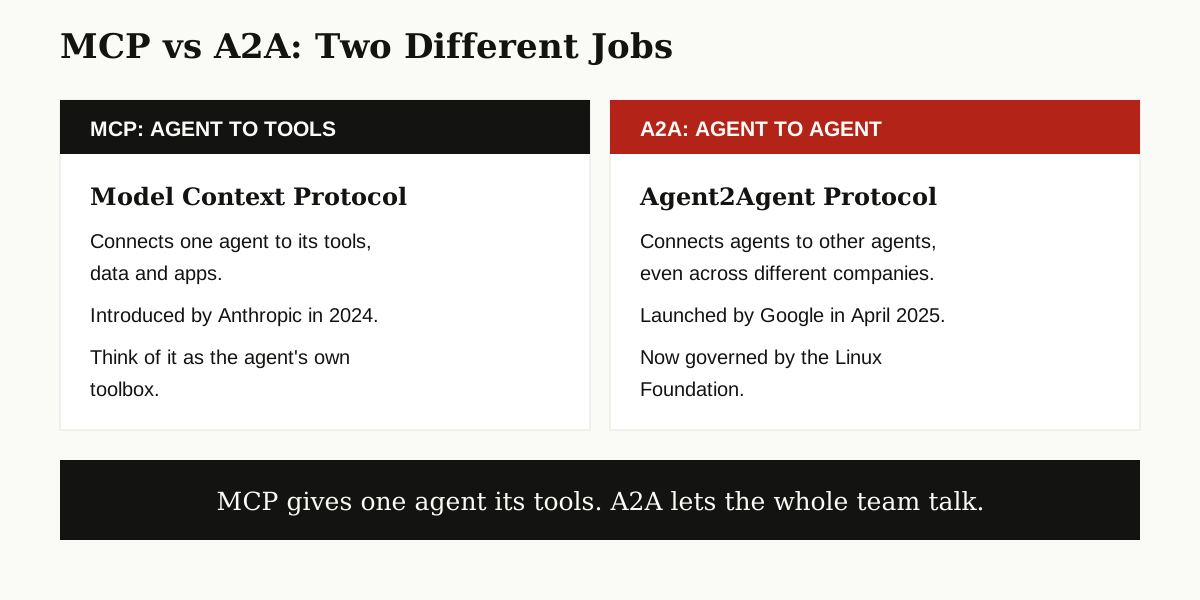
A simple way to hold it: MCP gives an agent its toolbox. A2A gives the team a shared language. Frameworks like LangGraph, CrewAI and Microsoft Agent Framework are where you assemble the team itself.
Where Multi-Agent Systems Actually Work Today
Strip away the launch events, and multi-agent systems are quietly doing real work in a few clear areas.
Research and reporting. The Anthropic pattern, one lead and many searchers, fits any job where the answer is spread across many sources. Our own agentic AI news coverage uses the same shape.
Software development. Coding teams split naturally into a planner, coders, a tester and a reviewer, and most big frameworks report coding as their busiest use.
Customer support. A triage agent reads a ticket, specialist agents handle billing, shipping or technical issues, and a checker reviews the reply before it goes out.
Back office work. Invoice processing, report building and data cleanup all break into small repeatable roles that suit agent teams.
Notice the pattern: the wins are jobs that split into independent parts. Jobs where every step depends tightly on the last one still suit a single agent, or plain software.
The Honest Problems
Multi-agent AI news is not all good news, and any roundup that skips this part is selling something.
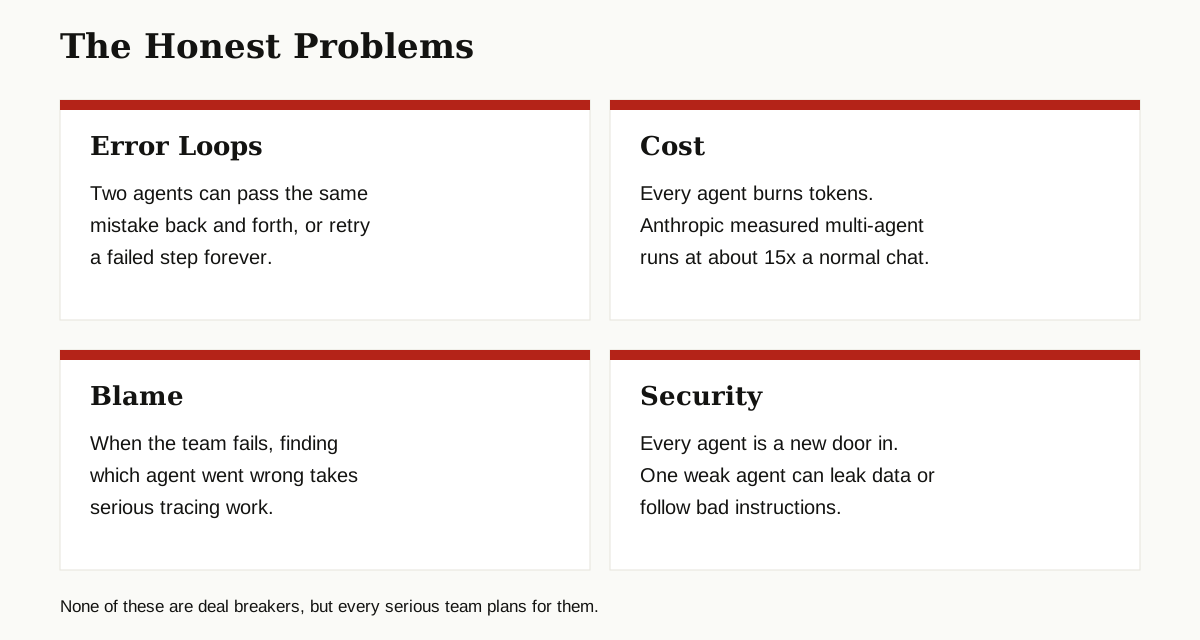
Error loops. Agents can pass the same wrong answer back and forth, each trusting the other, or retry a broken step forever. Good teams add hard limits on rounds and spending.
Cost. Anthropic’s 15 times token figure is the honest headline here. A team of agents is a team of API bills, and costs surprise people who only tested with one agent.
Blame. When one agent fails, you retrain it. When five agents produce one bad result, finding which one went wrong takes real tracing tools, and many teams do not have them yet.
Security. Every agent that can read data or take action is a new door into your systems. One confused or tricked agent can leak information or follow instructions hidden in a document it was asked to read.
Analyst firm Gartner has predicted that over 40 percent of agentic AI projects will be canceled by the end of 2027, mostly on cost and unclear value. That is the sober backdrop to every launch story above.
What to Watch Next
Three things will decide whether multi-agent AI becomes normal infrastructure or a 2025 to 2026 fashion.
First, whether A2A support shows up inside the products businesses already use, not just in developer frameworks. The Linux Foundation membership list suggests it will. Second, whether the big frameworks keep consolidating, the way Microsoft merged AutoGen and Semantic Kernel, or keep multiplying. Third, whether teams publish honest production numbers, costs included, the way Anthropic did.
We track all three in our AI news and regulation coverage, where protocol launches and framework shakeouts get the same plain English treatment.
The Bottom Line
The multi-agent AI story is not really about smarter models. It is about organization. The industry spent two years learning that one giant agent doing everything is slow, forgetful and hard to check, and that teams of smaller, focused agents work better on big jobs.
The protocols, A2A for agent talk and MCP for tools, are now shared standards under neutral or open governance. The frameworks have consolidated around a few serious names. The costs and failure modes are documented honestly by the labs themselves.
That combination, standards plus consolidation plus honesty about limits, is what a technology growing up looks like. Expect the next year of multi agent AI news to be less about launches, and more about which teams quietly made the whole thing pay.