How to Overcome Social Anxiety in College: A Practical Guide
📋 Table of Contents
Is Social Anxiety Normal for College Freshmen?
Finding ways to overcome social anxiety in college is a major priority for many incoming students. The change from a familiar high school social structure to a massive campus with thousands of new faces naturally triggers social stress. Understanding that this feeling is normal is the first step toward building confidence.
"Social anxiety is not a permanent trait; it is a response to environmental change. Taking small, consistent actions will help you adapt to campus life."
Clinical studies show that over 30% of college students experience significant levels of social anxiety during their transition year. Using gentle exposure techniques—rather than avoiding social settings entirely—is the most effective way to lower anxiety levels.
⚡ Anxiety Coping Dashboard
Focus on short, low-pressure interactions rather than long parties.
Using breathing exercises to calm physical symptoms of anxiety.
Finding peer groups or campus counseling resources to share your challenges.
Allowing yourself to leave events early when you feel overwhelmed.
Understanding the Root of Campus Social Stress
Social anxiety is driven by the fear of negative evaluation. In large lecture halls, dining commons, and dorm corridors, students often feel as though they are under a microscope. This "spotlight effect" leads people to overestimate how much others are noticing their mistakes or minor details.
In reality, most peers are focused on their own social anxieties and class loads. Realizing that everyone is navigating the same transition helps lower the pressure of everyday interactions.
Low-Pressure Activities to Build Social Confidence
The best way to build confidence is by engaging in activities that have a built-in focus, reducing the pressure to make small talk. Here are a few options:
- Study groups: Working on class assignments provides a natural topic of conversation.
- Volunteer clubs: Helping others provides a shared purpose, making interactions feel easier.
- Structured mixers: Join casual floor activities during O-Week. For example, sitting with roommates to take the Rice Purity Test is a classic low-stress game. Laughing over a rice purity score breakdown helps break the ice, while checking the average purity scores by age provides a lighthearted way to realize that everyone's background is unique.
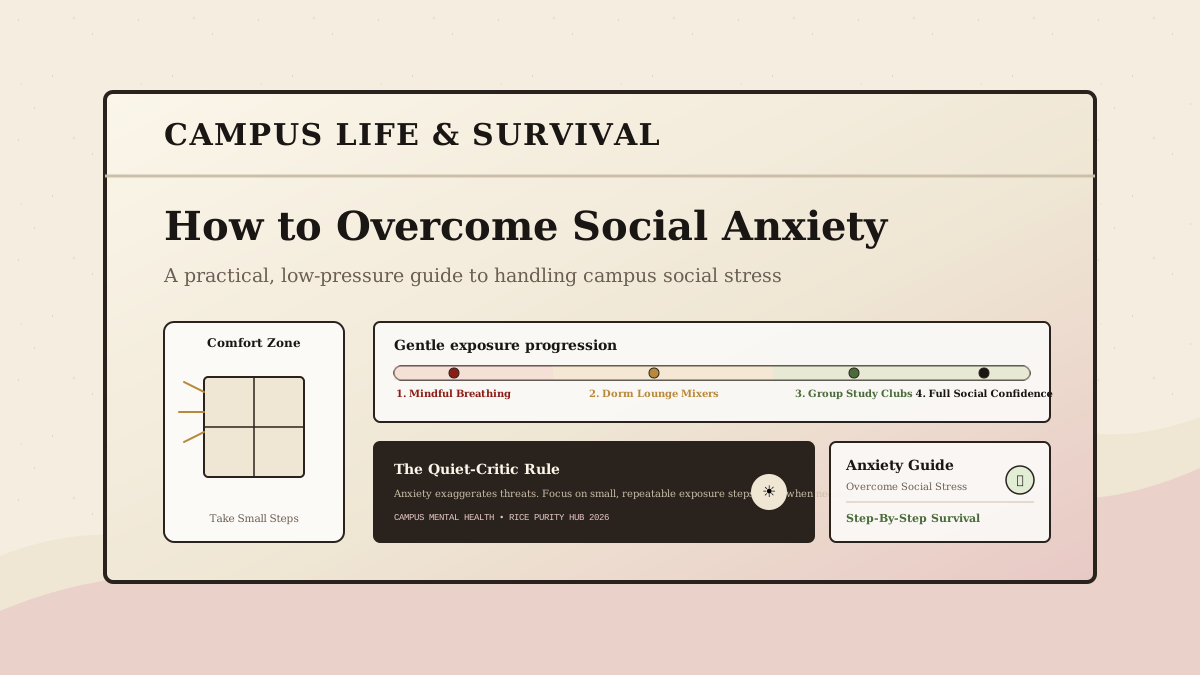
🔄 Confidence Building Progression
Grounding & Mindset
Practice deep breathing and challenge negative thoughts about social settings.
Structured Socializing
Attend study groups, join volunteer projects, or try low-pressure dorm games.
Open Connection
Initiate casual conversations and organize group activities with your floor mates.
Daily Mindset Exercises to Quiet the Inner Critic
Quiet your inner critic by practicing these simple cognitive strategies:
- Reframe physical anxiety: Interpret a racing heart as excitement rather than fear.
- Keep interactions brief: Set a goal to stay at a social event for 20 minutes, then permit yourself to leave if you are uncomfortable.
- Focus on others: Ask open-ended questions and listen to the answers instead of planning what you will say next.
Frequently Asked Questions
Is social anxiety common for college freshmen?
Yes. Transitioning to a new environment with thousands of unfamiliar peers makes social anxiety one of the most common challenges during the first semester of college.
What are low-pressure ways to make friends?
Focus on structured environments like study groups, volunteer clubs, or simple floor board game nights. These activities provide a natural focus, reducing the need for continuous small talk.
When should I seek professional support for anxiety?
If anxiety prevents you from attending classes, eating in dining halls, or sleeping, visit your campus student health center to speak with a counselor.
Summary
Overcoming social anxiety in college takes time and patience. By using grounding exercises, focusing on structured social settings, and treating yourself with kindness, you can build your social confidence step-by-step and enjoy your university experience.
This article is for entertainment and educational purposes and is not formal administrative guidance or professional advice. Always keep events respectful and compliant with local university guidelines.