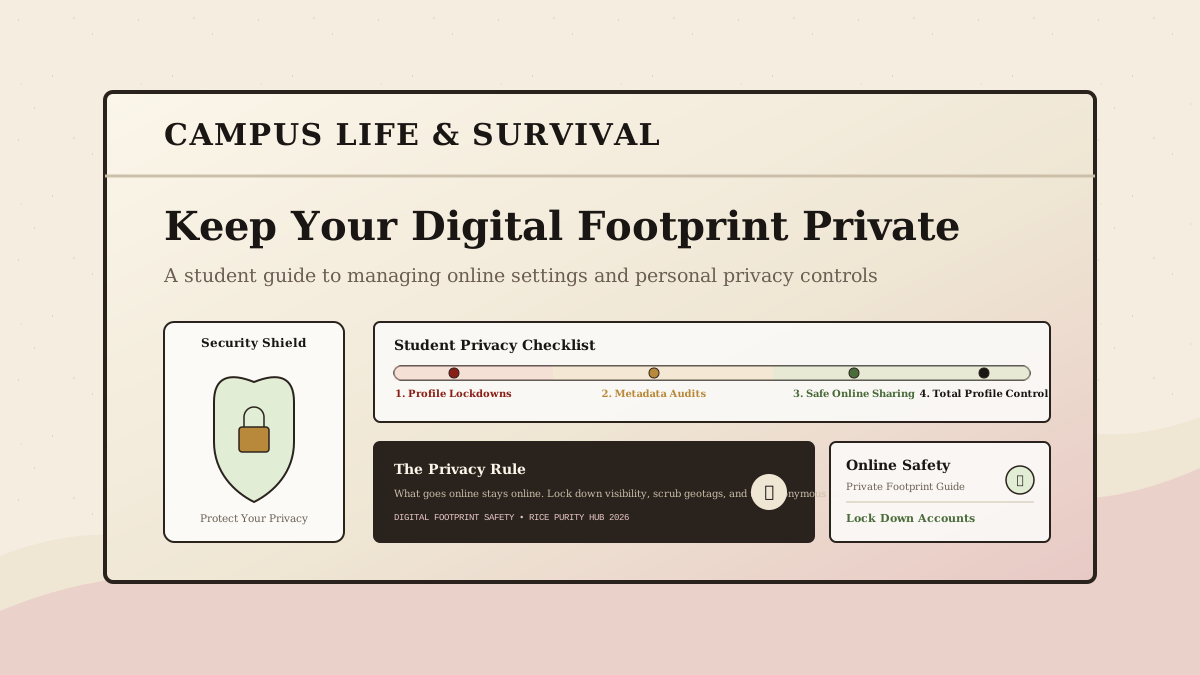
How to Keep Your Social Media Footprint Private: A Student Guide
📋 Table of Contents
Why Is a Private Digital Footprint Essential for Students?
Learning how to keep social media footprint private is a critical digital skill for modern college students. Because future employers, graduate admissions panels, and scholarship committees regularly review online history, managing what is visible under your name protects your career options.
"Your digital footprint is permanent. Taking control of your platform privacy settings ensures your personal growth and weekend fun remain private."
Studies reveal that over 70% of hiring managers have declined applicants based on content found during a social media review. Implementing a strict privacy routine is a simple way to keep your personal life separate from your professional goals.
⚡ Digital Privacy Metric Dashboard
Switch all personal social profiles to private-only visibility tiers.
Delete old posts, images, and outdated profile accounts.
Perform regular Google searches of your name in incognito mode.
Disable location geotagging on mobile camera apps and posts.
Standard Privacy Controls for Major Social Platforms
Protecting your profiles does not require deleting your accounts. Instead, configure these controls to limit who can access your content:
- Instagram: Set your profile to private, disable 'Similar Account Suggestions,' and limit tag permissions to approved followers.
- TikTok: Disable 'Suggest your account to others,' change video access to 'Friends only,' and restrict stitching and duets.
- LinkedIn: Keep this account professional. Keep your settings public, but ensure all shared content remains strictly focused on career milestones.
Conducting a Personal Social Media Audit
A social media audit involves searching your online presence to identify and clean up potential risks. This is especially helpful during O-Week or before starting job applications. Many students use self-tests to review their boundaries before cleaning up their profiles.
For example, roommates often gather to take the Rice Purity Test to compare life stories. Reading through the rice purity score breakdown lets you see what your scores say about your past boundaries. Comparing your habits to the average purity score for college students is a simple way to decide if your online history aligns with your current goals.
🔄 The Digital Audit Loop
Incognito Audit
Search your name on search engines to check what images and links are public.
App Cleanup
Open old social apps, delete old posts, and disable account suggestion options.
Continuous Check
Perform checks every semester to ensure your privacy settings have not changed.
Safe Online Behavior and Information Sharing
To maintain a clean digital footprint, practice these rules when posting:
- Think before posting: If you wouldn't show a post to a college professor or employer, do not publish it.
- Audit your friends lists: Regularly remove accounts you do not know in person from your private social networks.
- Avoid sharing location data: Wait until you have left a venue before posting photos to prevent sharing active location details.
Frequently Asked Questions
Why is keeping a private digital footprint important for students?
Employers, college admissions teams, and organizations search social media during evaluations. A secure, private footprint ensures your personal life doesn't negatively impact future career goals.
How do I perform a personal social media audit?
Search your name in private browsing mode, review all active and old accounts, delete posts containing sensitive data, and turn on maximum privacy settings for all platforms.
Can old posts be permanently deleted from the web?
While you can delete posts from active platforms, archived pages or screenshots can persist. The best approach is to prevent sharing sensitive metadata from the start.
Summary
Managing your social media footprint is about protecting your future opportunities. By auditing your profiles, setting maximum privacy levels, and keeping location metadata private, you can enjoy social networks safely while keeping your options open.
This article is for entertainment and educational purposes and is not formal administrative guidance or professional advice. Always keep events respectful and compliant with local university guidelines.