Is Having High Standards a Bad Thing in Young Relationships?
📋 Table of Contents
Are High Standards Healthy in Early Relationships?
Having high standards in relationships is not a bad thing; in fact, setting clear expectations for how you wish to be treated is a key element of self-respect. For young adults entering college, separating healthy relationship standards from media-driven expectations is crucial for building secure, reciprocal connections.
"Standards act as a filter. They do not prevent you from finding a partner; they protect you from wasting time on connections that lack safety and mutual respect."
Research in relationship psychology shows that individuals who hold healthy, realistic standards regarding communication and support report higher levels of satisfaction. When both partners respect each other's boundaries, relationship anxiety naturally decreases.
⚡ Standards vs. Anxiety Metrics
Clear personal limits protect emotional energy and self-worth.
Mutual respect is the non-negotiable floor for any early relationship.
Feeling secure to express vulnerability without fear of judgment.
Balancing high standards of behavior with realistic expectations of human error.
High Standards vs. Unrealistic Expectations
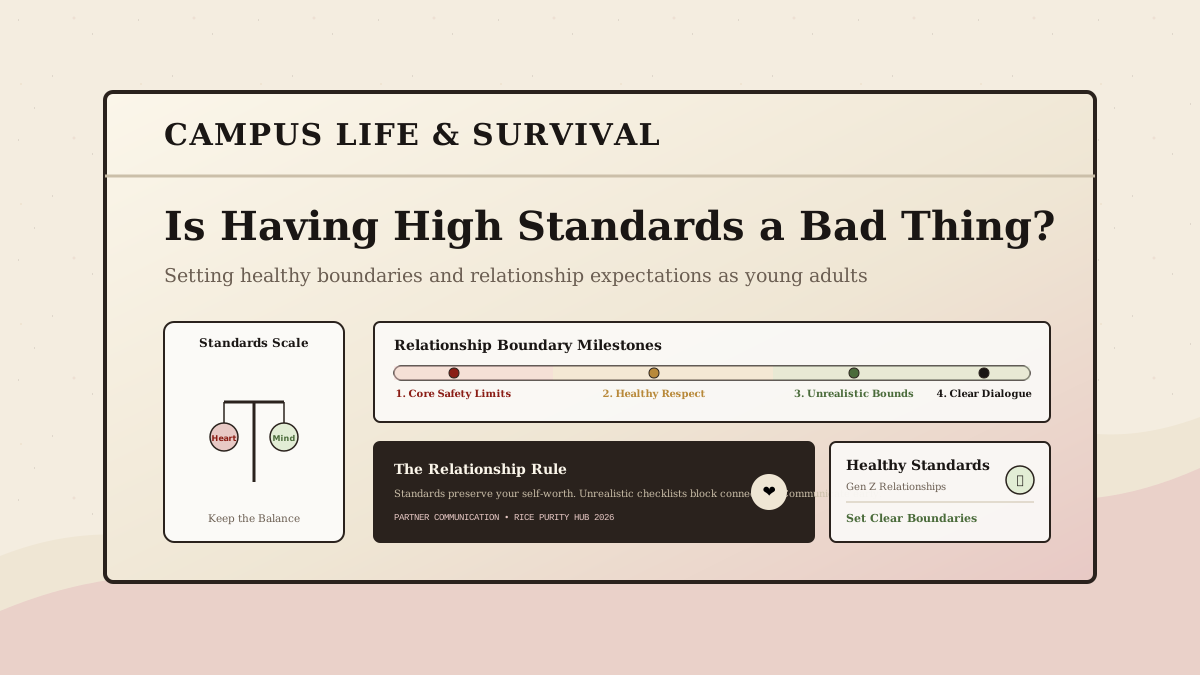
A common point of confusion is the line between healthy standards and unrealistic expectations. Standards are core values (like honesty, emotional support, and respect). Expectations are specific, often minor behaviors (like how quickly someone responds to a text message or expecting them to share all of your hobbies).
When expectations are set too high—often influenced by idealized social media depictions—it can create unnecessary tension. Recognizing that a partner is human and will make mistakes is part of building a mature, lasting relationship.
How Personal Boundaries Shape Healthy Connections
Boundaries are the invisible lines that protect your values and mental health. They are not designed to keep people out, but to let them know how to interact with you safely. In a college environment, boundaries are especially important as you navigate new social circles, roommates, and dating dynamics.
Many students find it helpful to discuss their past boundaries and experiences with new friends. For instance, when group chats gather to take the Rice Purity Test, it often opens up honest discussions about boundaries. Reviewing the rice purity score breakdown lets you see what your scores indicate. Comparing these values to the average score for college students is a simple way to confirm that your standards are normal and healthy.
🔄 Balancing Your Standards Scale
- Demanding honesty and open communication.
- Expecting safety and mutual support.
- Maintaining independent social lives.
- Expecting a partner to read your mind.
- Demanding constant attention 24/7.
- Expecting zero disagreements or errors.
Communicating Your Values Without Feeling Guilty
It is natural to feel anxious when expressing your standards, especially if you worry about pushing a partner away. However, honest communication is the only way to build a lasting connection. Try these tips to express your standards without guilt:
- Use 'I' statements: Focus on your needs (e.g., "I need open communication to feel secure") rather than accusations.
- Be clear early on: Don't wait for a boundary to be crossed before explaining that it exists.
- Listen in return: A relationship is a two-way street. Respect your partner's boundaries as much as you expect them to respect yours.
Frequently Asked Questions
Is it bad to have high standards in early relationships?
No. High standards regarding respect, honesty, safety, and mutual support are essential. They protect your mental wellness and build a solid foundation for healthy long-term connections.
How do you distinguish standards from unrealistic expectations?
Healthy standards focus on behavior and values (e.g., active listening, emotional safety). Unrealistic expectations focus on perfection (e.g., expecting a partner to read your mind or never make a mistake).
How should I communicate my relationship boundaries?
Use direct, calm 'I' statements. Express what you need to feel safe and respected in a relationship, and listen to your partner's boundaries in return.
Final Reflection
High standards are not a barrier to love; they are the blueprint for a healthy relationship. By identifying your core values, separating them from unrealistic expectations, and communicating them clearly and kindly, you can build secure, happy connections that respect your worth.
This article is for entertainment and educational purposes and is not formal administrative guidance or professional advice. Always keep events respectful and compliant with local university guidelines.