How Client-Side Processing Keeps Online Quizzes 100% Private
📋 Table of Contents
In an era where data breaches, targeted advertisements, and social media tracking are daily headlines, privacy is no longer just a feature—it is a necessity. When you click on a viral web checklist that asks personal questions about your lifestyle, habits, or past boundaries, it is completely natural to pause and wonder: Where is this data actually going? Who is seeing my responses? Is my score being saved in a database somewhere?
Understanding the technical architecture behind web applications can help ease these concerns. Specifically, a standard called client-side privacy online quizzes use is the key to keeping your personal answers entirely secure. Here is how modern web development uses local browser scripts to guarantee your absolute privacy.
Are Online Quizzes Secure?
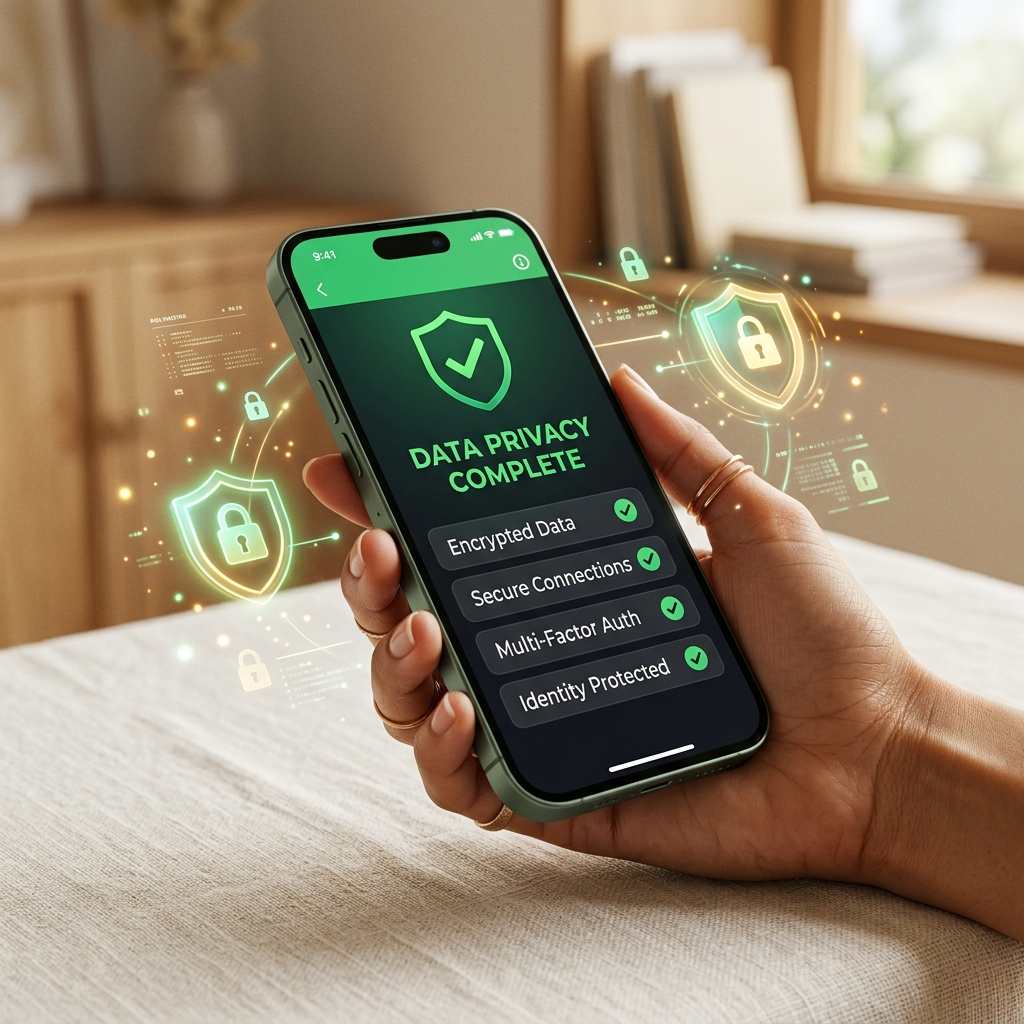
Yes, online quizzes are 100% secure and private if they use client-side processing rather than server-side storage. When a quiz is processed client-side, all calculation logic runs entirely within your device's browser window, meaning your checkbox clicks and final score never leave your phone or computer. The website owner's server only delivers the static layout files, having zero visibility into your selections. Ultimately, this architecture makes data breaches impossible because there is no central database containing your personal information to hack in the first place.
🛡️ Client-Side Privacy Architecture
Calculations happen directly inside your browser window with zero network hops.
No storage on the host server. Closing the browser window wipes your answers.
Browser security prevents other websites from reading your local preferences.
Turns off Wi-Fi after load. Calculations run 100% offline without sending packets.
Client-Side vs. Server-Side Processing: What's the Difference?
To understand are online tests secure, it helps to look at the two different ways web pages process user interactions:
📊 Visual Guide: Client-Side vs. Server-Side Flow

🔄 Technical Architecture Comparison
Runs entirely on user devices. Renders pages instantly, keeps selections isolated, and never transmits answers.
Sends clicks to remote host servers. Demands active connection, stores answers, and risks database breaches.
Our platform chooses 100% client-side computing to keep checklists private and protect college user footprints.
When you fill out a checklist that uses client-side JavaScript, the website acts like a calculator. When you click "Calculate," the browser runs a simple mathematical loop (counting unchecked boxes out of 100) and displays the result on your screen. The host server has no idea what you checked because it is never sent a record of your clicks.
How Modern Browsers Keep Your Data Anonymous
Beyond using client-side calculations, modern web development relies on specific browser storage techniques to enhance anonymous online quiz security:
- Local Storage & Session Storage: Instead of sending data to an external server, websites can store temporary preferences locally in your browser. This local storage data privacy standard ensures that even if you refresh the page, your preferences are kept in your device's sandbox, inaccessible to other websites.
- No Tracking Cookies: Premium quiz sites avoid placing tracking pixels or persistent cookies that link your quiz answers to your social media profiles or ad networks. Your session remains completely isolated.
- Stateless Architecture: A stateless page does not remember who you are from one session to the next. Once you close the browser tab, the memory is instantly wiped. There is no account to create, no email address to link, and no profile to track.
These design principles create a sandbox environment where you can explore self-discovery tests with absolute peace of mind. For a deeper understanding of score metrics, you can read our guide to what your score means.
Best Practices for Verifying Your Online Privacy
While many sites are built with privacy in mind, it is always smart to verify a page's security before sharing personal details. Here are a few simple ways to check if a website respects your data:
- Read the Privacy Policy: Look for a dedicated privacy page. A trustworthy site will explicitly state: "We do not collect, transmit, or store your individual quiz responses on our servers."
- Inspect the URL: Ensure the site uses HTTPS (indicated by the lock icon in your address bar). This encrypts all connection traffic between your browser and the server, protecting your session from network snooping.
- Check for Email Prompts: If a quiz requires you to enter an email address, phone number, or social media login to see your score, it is likely using your results for lead generation or marketing. Look for sites that offer instant, gate-free results.
- Use Developer Tools: If you are technically inclined, press
F12to open your browser's Developer Tools and watch the "Network" tab. When you click "Calculate," you should see zero outgoing HTTP POST requests containing your answers.
By staying vigilant, you can enjoy all the benefits of online quizzes without compromising your digital security. To see how average score distributions stack up without worrying about data collection, check our anonymous demographics report on purity test scores by age.
Frequently Asked Questions
Does the Rice Purity Test save my answers?
No, the Rice Purity Hub uses 100% client-side JavaScript. Your selections and final score are calculated directly in your browser. No data is sent to our servers, and no records of your answers are saved.
How can I make sure a quiz isn't tracking me?
Use a private browsing window (Incognito mode), block third-party cookies in your browser settings, and look for sites that do not require registration, email sign-ups, or login details to display your score.
Is client-side processing faster than server-side?
Yes. Because client-side processing doesn't have to send data across the internet to a server and wait for a response, the calculation is instantaneous, resulting in a much faster and smoother user experience.
Can other websites access my quiz results stored locally?
No. Web browsers enforce a security standard called the "Same-Origin Policy." This prevents scripts from one website from accessing data stored locally by another site, keeping your sandbox isolated.
Final Takeaway
Exploring your identity, reflecting on your boundaries, and sharing quiz scores with friends should be fun, not a privacy risk. By understanding client-side processing, you can confidently navigate the web and protect your digital footprint.
Your privacy is your right. Choose tools that respect your boundary lines.
Ready to check your baseline with complete privacy? Go to the homepage and take the Rice Purity Test privately with 100% security.